As any seasoned boater knows, having a reliable battery for your trolling motor is crucial for a successful day on the water. However, with so many options available, it can be challenging to know which battery is the best choice for your specific needs. In this comprehensive guide, we will break down the different types of trolling motor batteries, the factors to consider when choosing one, and answer common questions about these batteries.
Choosing the right battery for your trolling motor can make a significant difference in the overall performance and lifespan of your motor. Using the wrong battery can lead to a shorter lifespan for both the battery and the trolling motor, which can be both frustrating and costly.
Therefore, it's essential to understand the different types of trolling motor batteries and their advantages and disadvantages. The three main types of batteries used for trolling motors are Flooded Lead Acid, AGM, and Lithium Iron Phosphate. Each has its own set of pros and cons that must be considered when making a selection.
In the following sections, we'll dive deeper into these types of batteries, explain the differences between deep cycle and cranking/starting batteries, and highlight key factors to keep in mind when choosing a trolling motor battery. By the end of this guide, you'll have a clear understanding of what type of battery is best for your vessel and how to choose the perfect one.
Types of Trolling Motor Batteries
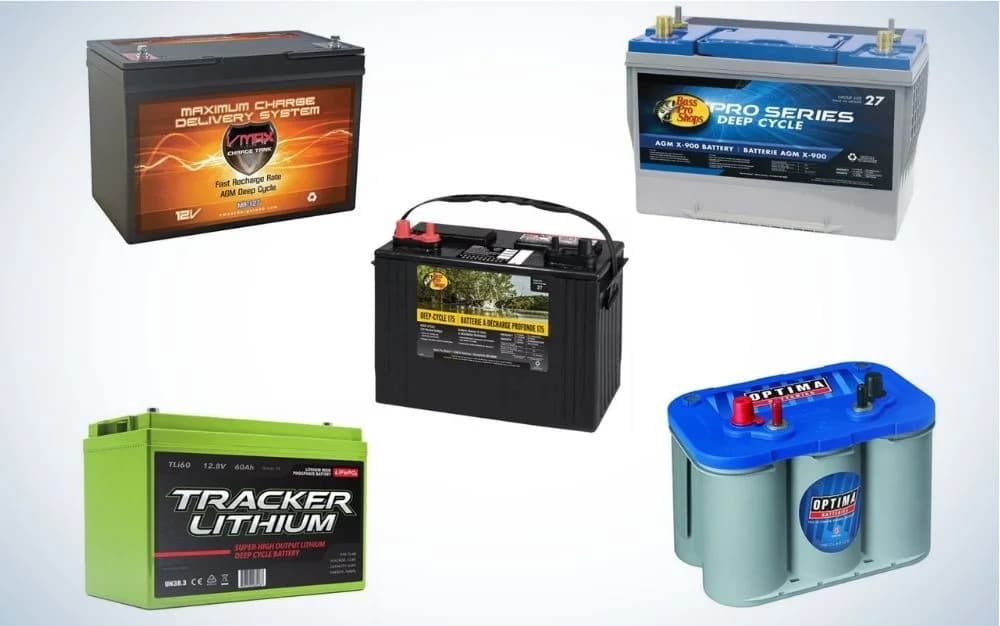
When shopping for a trolling motor battery, you'll quickly realize that there are many options available. However, the three most common types of batteries used for trolling motors are Flooded Lead Acid, AGM, and Lithium Iron Phosphate (LiFePO4).
Flooded Lead Acid Batteries:
Flooded Lead Acid batteries are the oldest and most common type of battery used for trolling motors. These batteries use lead plates and an acid electrolyte solution to create electrical energy. They are widely available and tend to be the most affordable option, with prices starting around $100.
One of the advantages of Flooded Lead Acid batteries is their longevity. With proper maintenance, such as topping off the electrolyte solution with distilled water and using a Minn Kota Precision charger's deep equalization mode to combat sulfation, these batteries can last for 2-3 years or longer. However, they do require more maintenance than some of the other battery options, such as AGM or Lithium Iron Phosphate batteries.
AGM Batteries
AGM batteries, or absorbed glass mat batteries, are a newer option that have become more popular in recent years. These batteries are sealed, with the electrolyte solution absorbed into mats that contact the plates. This makes AGM batteries more convenient to transport and handle, as there is no risk of spills.
AGM batteries are often referred to as "maintenance-free," as their sealed design means there is no need to maintain the acid level. They tend to last slightly longer than Flooded Lead Acid batteries if properly maintained, due to a lower risk of sulfation. However, it's important to note that AGM batteries can be more permanently affected if they are drained completely.
One potential downside of AGM batteries is their cost, which tends to be higher than Flooded Lead Acid batteries. They are also slightly heavier, on average, than their flooded counterparts.
Lithium Iron Phosphate Batteries
If you're looking for a more advanced and expensive option, you may want to consider Lithium Iron Phosphate (LiFePO4) batteries. These batteries have several advantages over traditional Flooded Lead Acid and AGM batteries, including longer lifespan and faster charging times.
Lithium batteries are also significantly lighter than other battery types, making your boat more nimble and improving performance. They tend to have longer lifespans and can output higher voltage levels over long periods of time.
However, Lithium batteries are still relatively new and not compatible with all trolling motors and chargers. All Minn Kota Trolling motors and chargers are compatible with 12 volt Lithium (LiFePO4) marine batteries, but it's always a good idea to check with the manufacturer to ensure compatibility with your specific trolling motor and charger.
Overall, choosing the right type of battery for your trolling motor depends on your individual needs and budget. The next section will go into more detail about how to determine the right battery for your trolling motor, taking into account your vessel's power needs, battery capacity, and more.
Deep Cycle Marine Batteries
When shopping for a trolling motor battery, it's important to make sure you choose a "deep cycle" battery. This means that the battery is designed to discharge and recharge multiple times, rather than providing a burst of power all at once. Deep cycle batteries are ideal for trolling motors because they are used to power the motor over long periods of time.
On the other hand, "cranking" batteries are designed to provide a lot of power all at once, like when starting a car engine. These batteries are commonly used in marine applications to start outboard engines and power auxiliary accessories.
While you may not see the term "deep cycle" when shopping for Lithium marine batteries, it's worth noting that all LiFePO4 batteries are designed to operate in this way. They are able to discharge and recharge multiple times, making them ideal for use in trolling motors.
Dual Purpose Marine Battery For Trolling Motor
If you're shopping for a trolling motor battery, you may come across a type called a "Dual Purpose" or "Dual Purpose Deep Cycle" battery. These batteries are a combination of cranking and deep cycle batteries, meaning they have both the reserve capacity to power accessories over long periods of time and the cranking amperage to start outboard engines.
Dual purpose batteries can be a versatile choice for powering trolling motors or other marine accessories, as long as the amp hour rating falls within the recommended guidelines. However, it's important to note that when powering a 24 or 36-volt trolling motor system, it is not recommended to use a single battery in the 24 or 36-volt series as a starting battery. This can cause uneven current draw from the system, leading to battery damage over time.
When shopping for trolling motor batteries, you may notice that they are identified by their "group size," which refers to the physical dimensions of the battery (length x width x height). The most common group sizes for marine applications are 24, 27, and 31.
It's important to pay attention to group size because it determines where the battery will fit in marine and automotive applications. It's a standard industry practice to identify batteries by their group size, rather than their amperage or voltage rating. This makes it easier to find a battery that will fit in the designated space in your boat or vehicle.