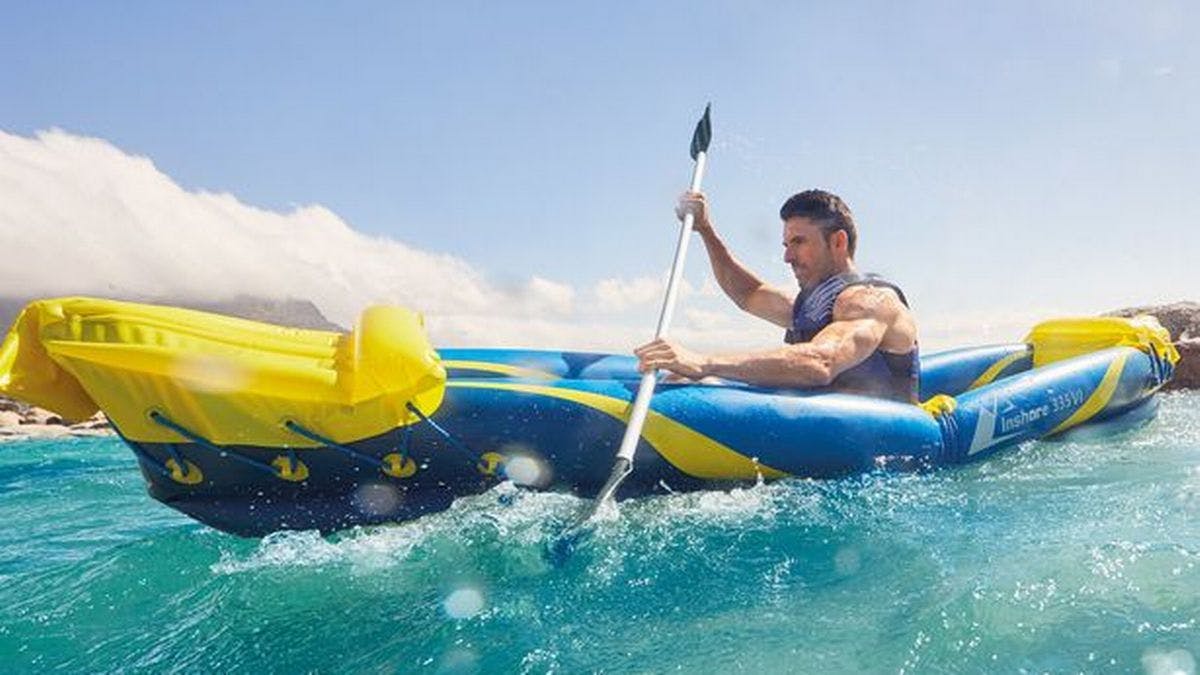
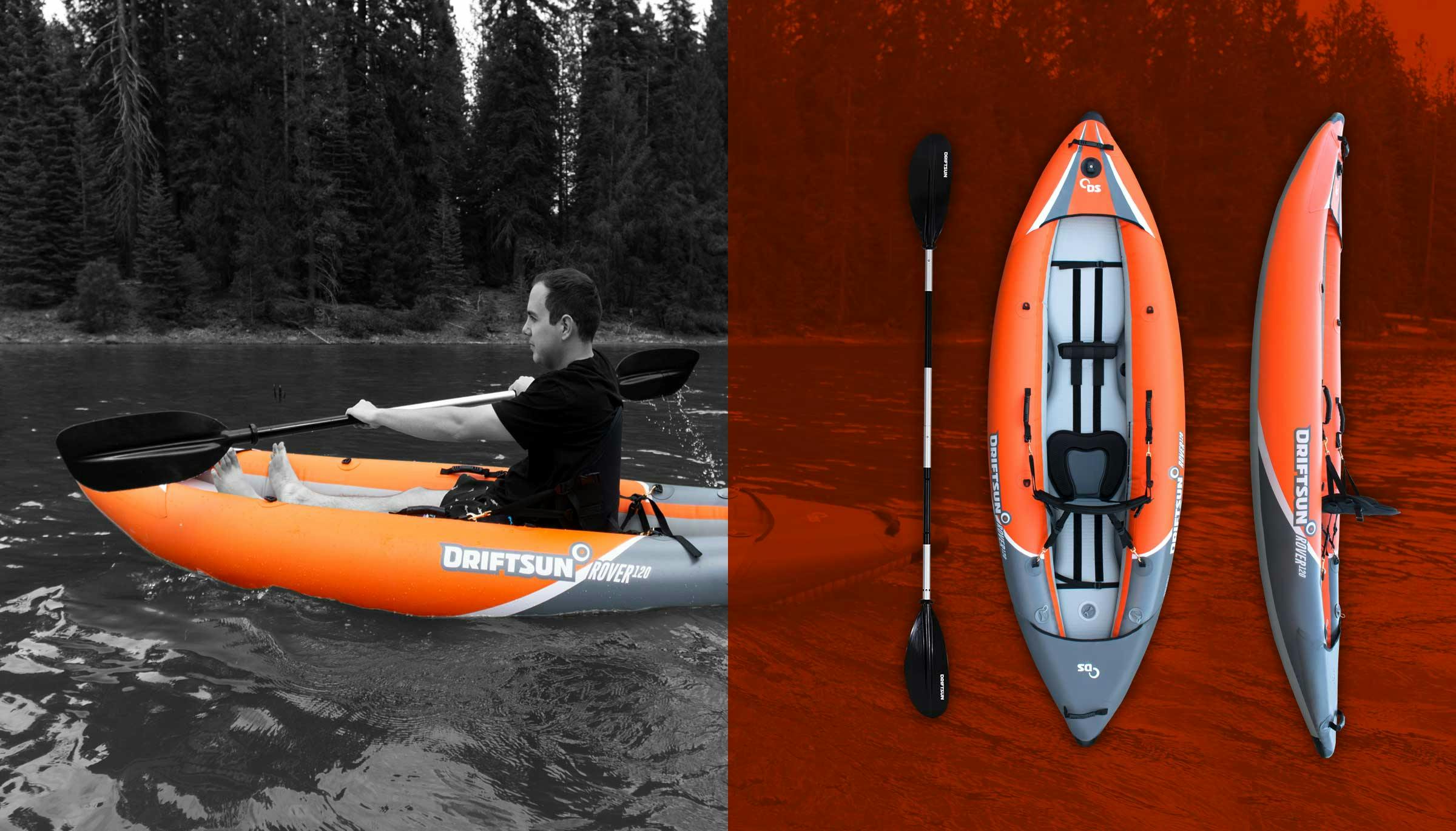
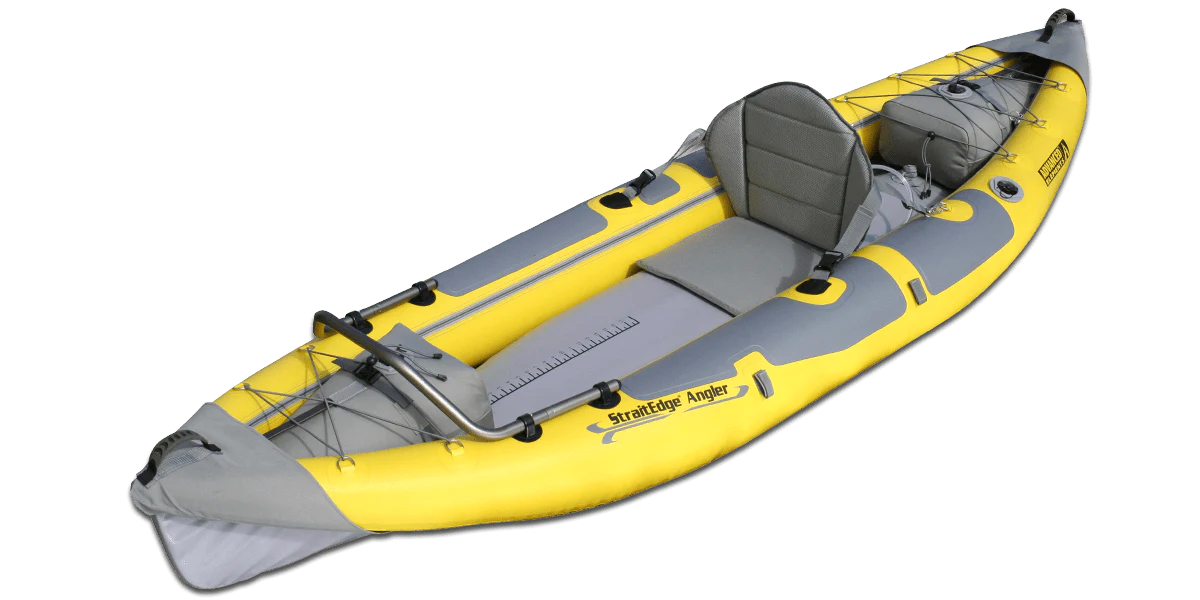
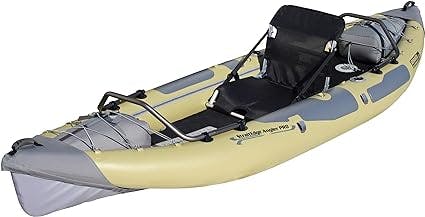
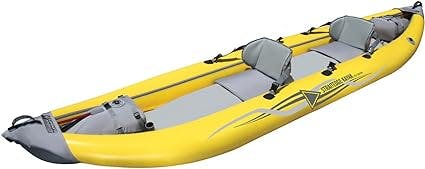
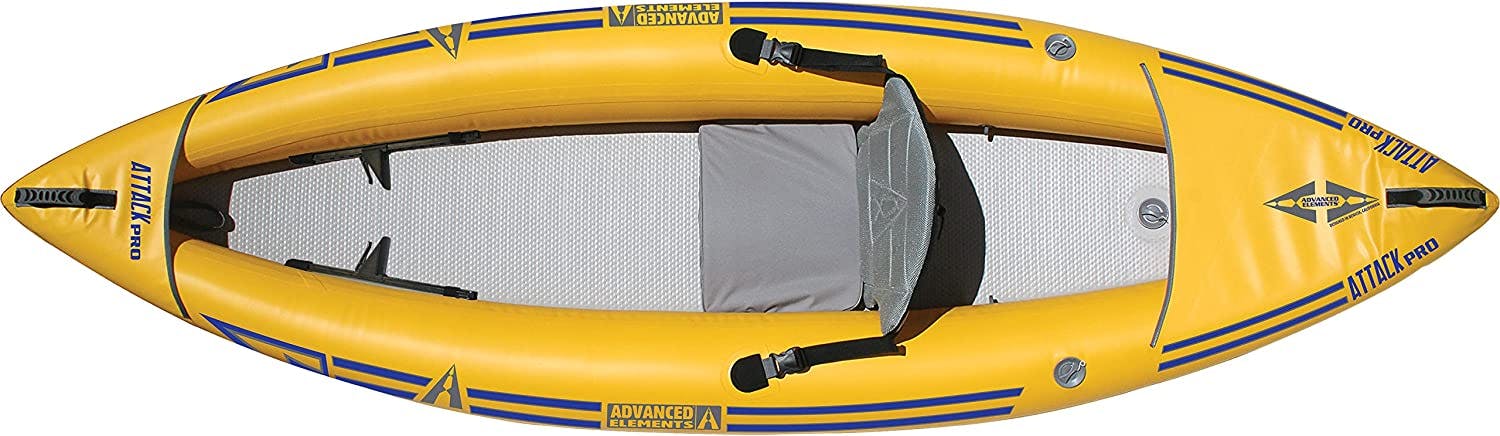
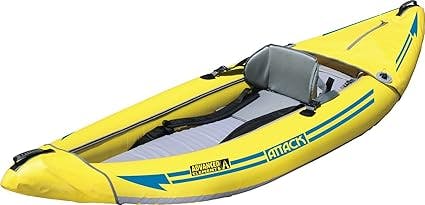
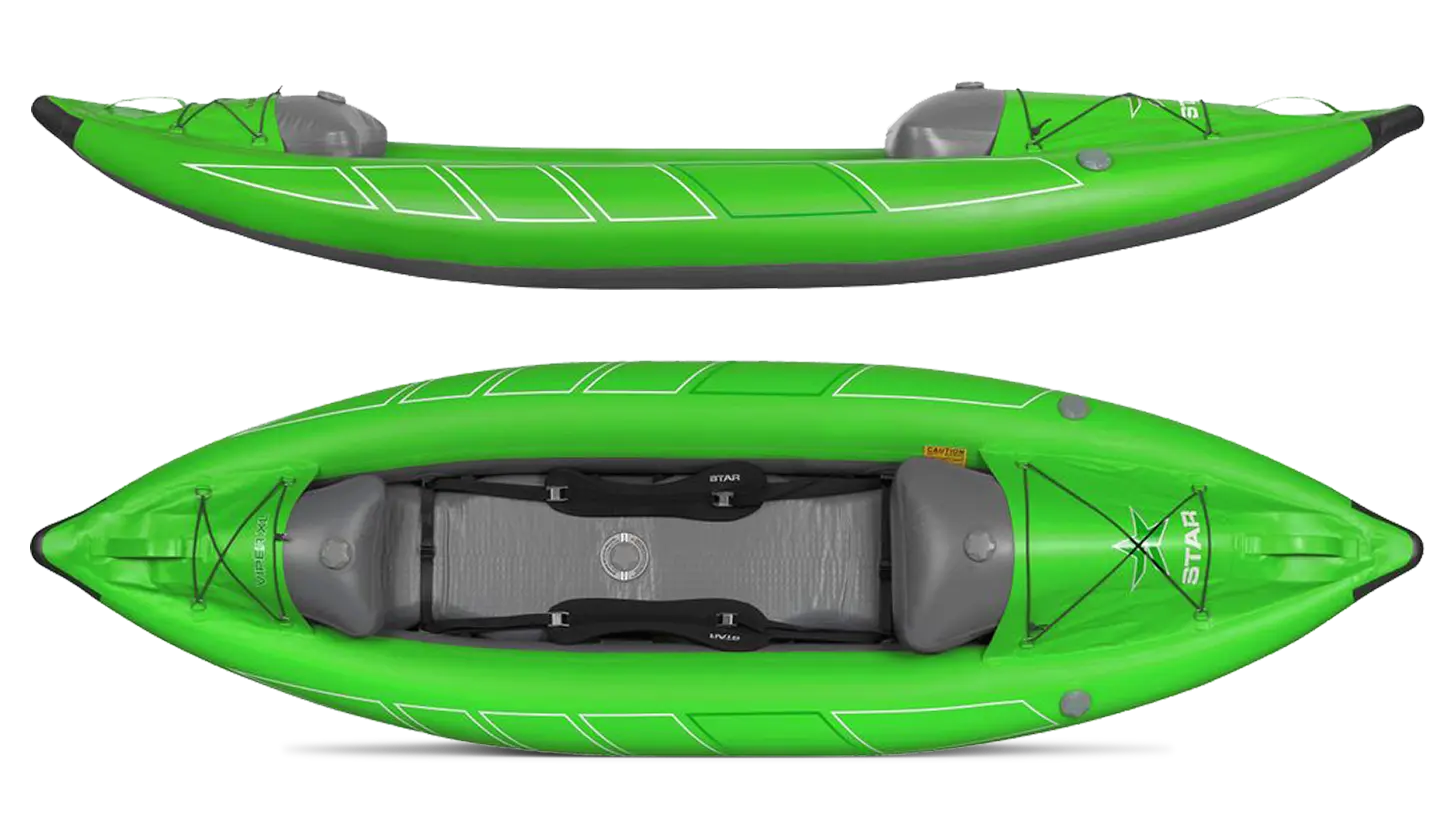
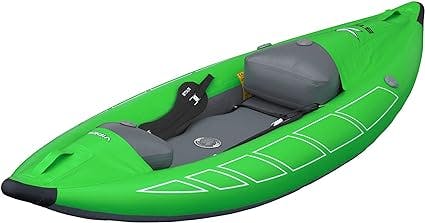
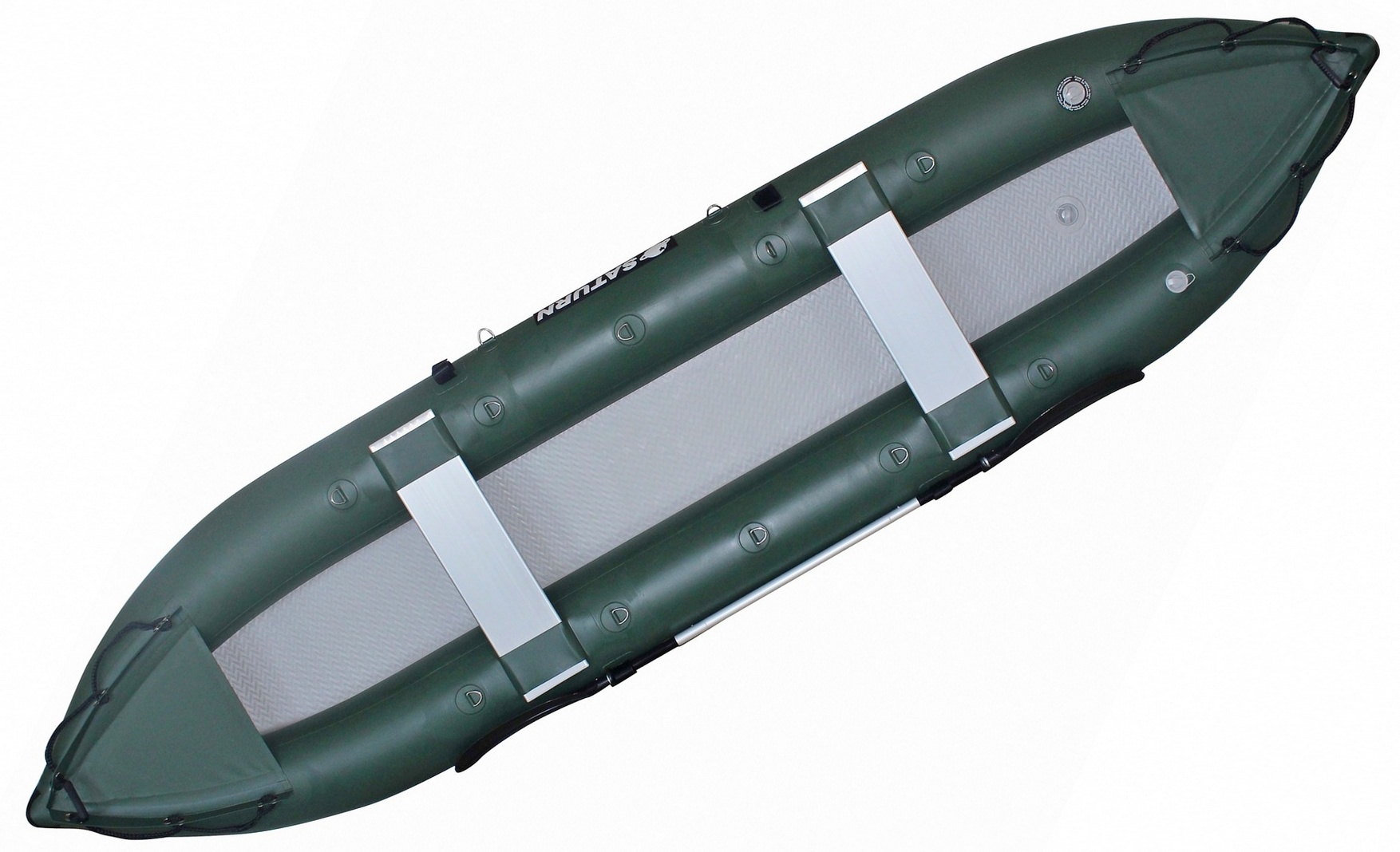
When paddling in some circumstances, such as whitewater rapids, swift-moving rivers and streams, and other complex water conditions, it is necessary to have a responsive, agile, and stable kayak. These characteristics will allow you to paddle more effectively.
If, on the other hand, you are not constantly being pushed around and are not forced to battle to retain your bearings and remain upright, then you will have a great deal more fun.
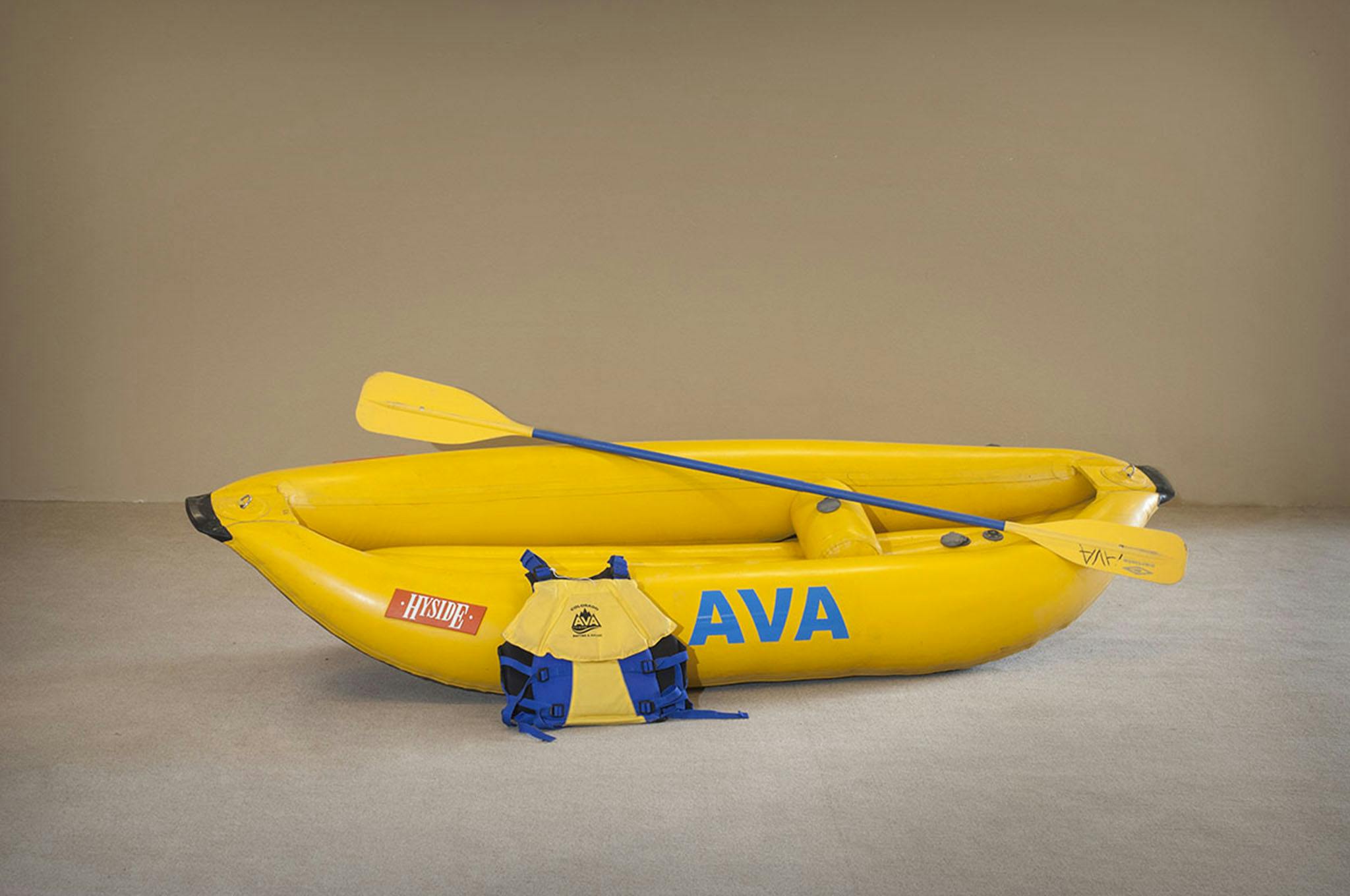
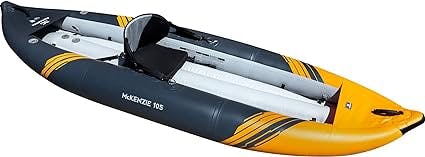
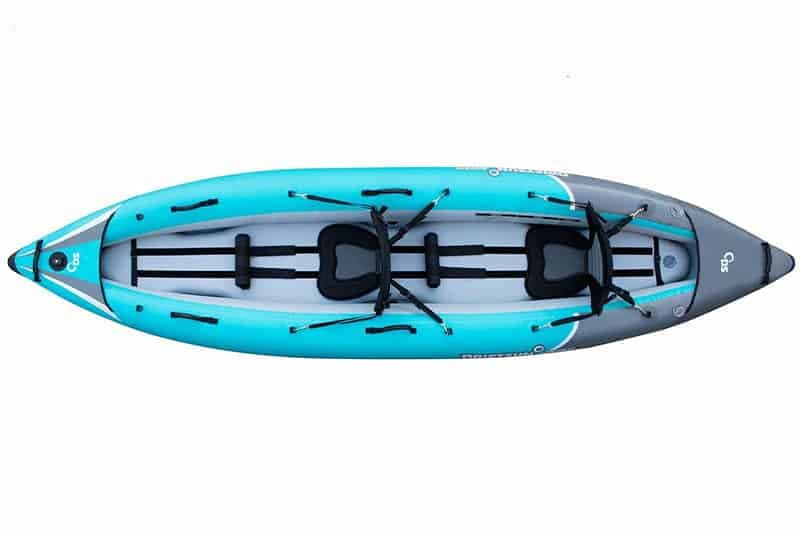
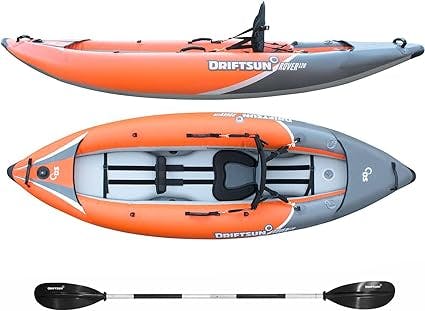
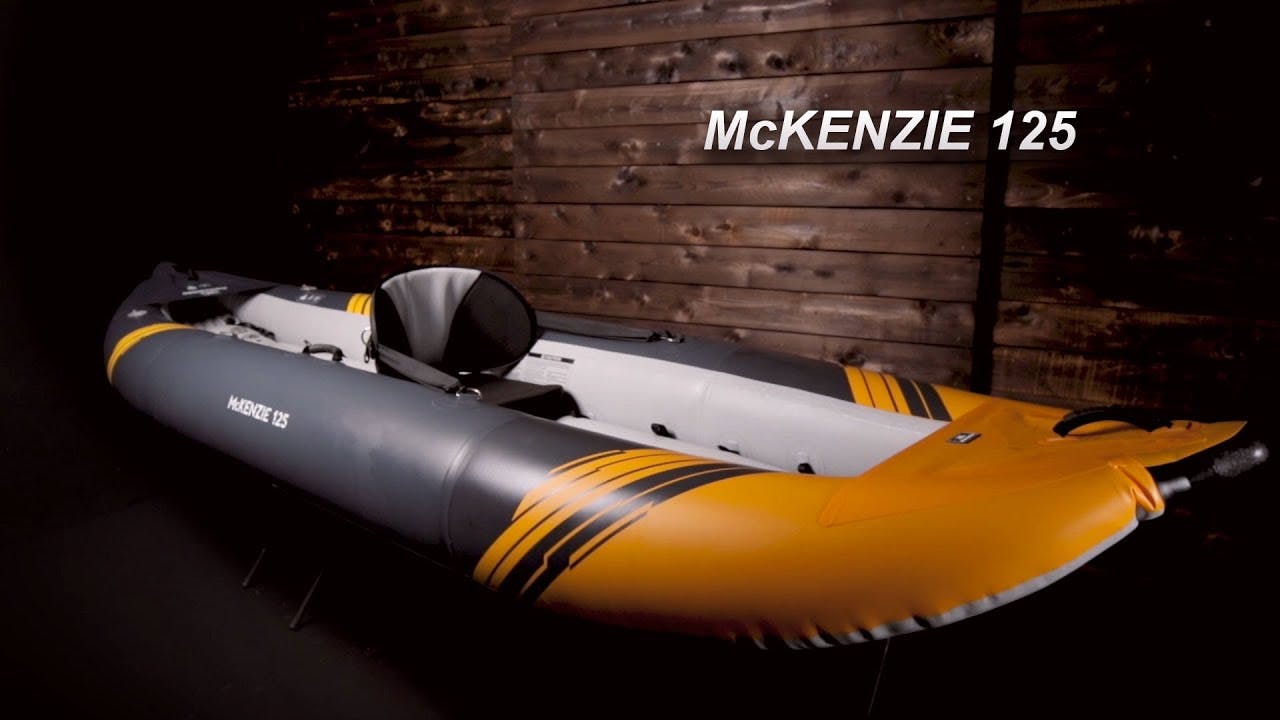
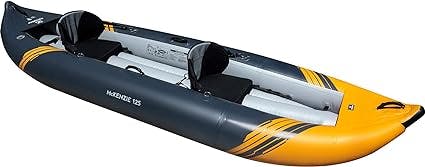
As a consequence of this, the perfect duckie kayak will often be somewhat short and wide, with a rocker design that emphasizes elongation, such as the following:
The greater breadth provides much-needed stability in such an environment, but the shorter design makes it simpler to maneuver rapid waters and avoid any possible barriers.
In light of this, most whitewater duckies are built to negotiate whitewater rapids of classes II and III. Still, only a select few can navigate whitewater rapids of class IV with a reasonable amount of comfort.
Inflatable duckie kayaks are often much lighter than your conventional hard-shell kayak—quite a bit lighter, if I may be so bold as to say so. That is another benefit of using an inflatable duckie kayak. When shopping for an inflatable kayak, portability should be your priority; therefore, checking the base weight of the kayak isn't a terrible idea at all, but it is essential to do so.
It is reasonable to anticipate that a duckie kayak will weigh anywhere from 20 to 40 pounds on average; nevertheless, the weight range that you are willing to "tolerate" when carrying the yak is the one that you should choose to go with when transporting the yak.
Take A Look At The Kayak's Weight Capacity First.