


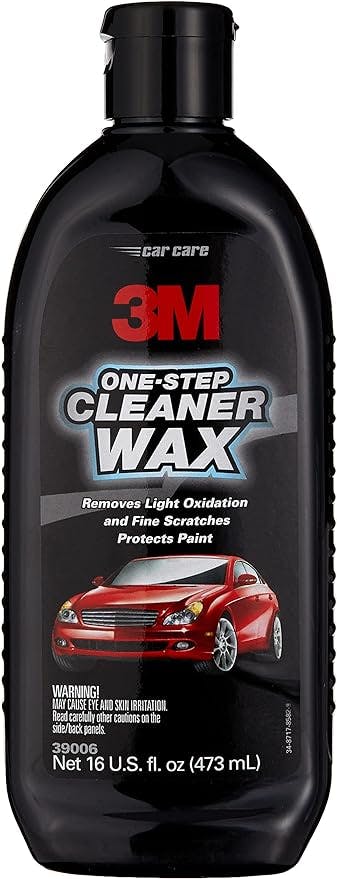
3M Cleaner Wax 16 oz, White4.6/5
Performance Lab
Consistency 98%91Index
Elite
Confidence 93%
On-Water Control
How quickly and cleanly the kayak responds to steering input.
92
Elite
Stability Window
How confidence-inspiring it feels across flat and choppy water.
90
Elite
Cruise Efficiency
How much distance it covers for each stroke cycle.
92
Elite
Comfort Span
Long-session comfort and fatigue resistance over time.
90
Elite
Value Return
How much capability and durability you get for the spend.
92
Elite
Best In Class
On-Water Control: 92Cruise Efficiency: 92
Could Improve
Comfort Span: 90Stability Window: 90
Also considered: Easy to use, Easy to remove, Longevity.