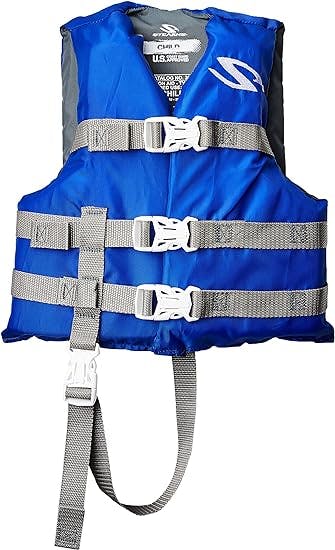
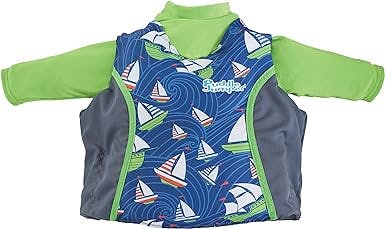
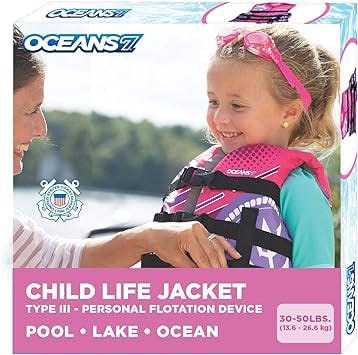
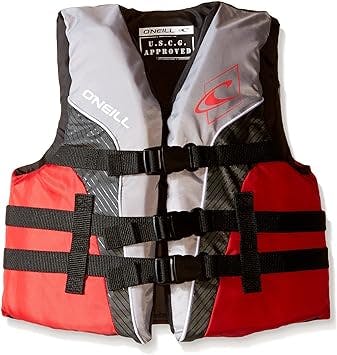
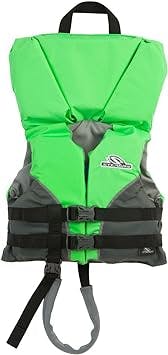
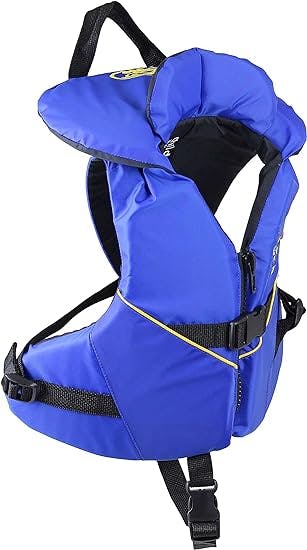
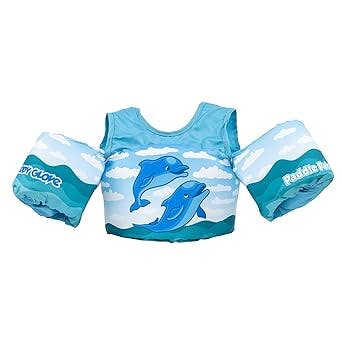
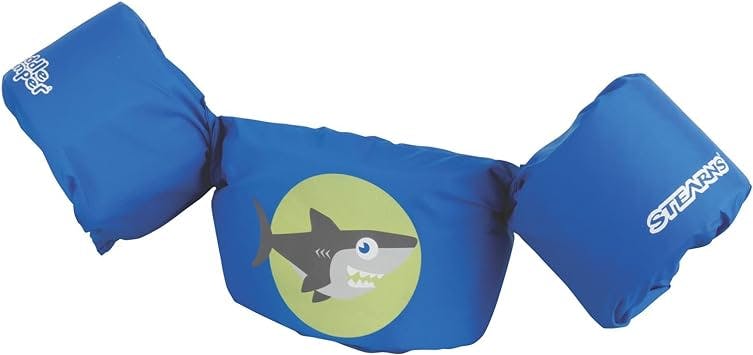
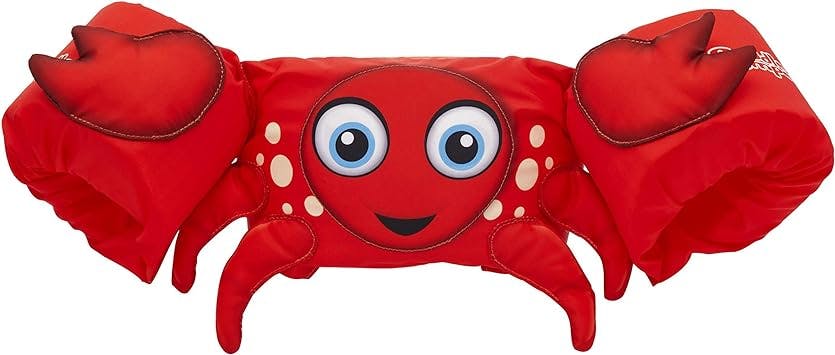
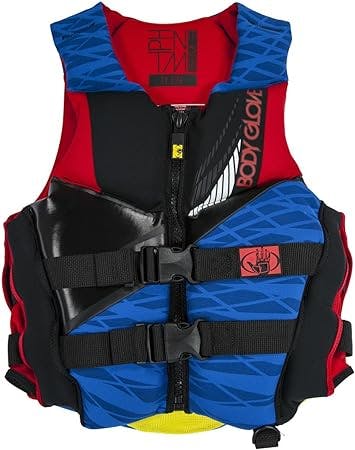
This neoprene life jacket is lightweight, sturdy, and comfortable, but it is also fade-resistant, which means that it will protect your children from the sun and the water during the summer. The vest, which the Coast Guard has authorized, provides the highest possible level of comfort. It has a YKK zipper, two heavy-duty quick-release buckles, and mesh drain pockets in key locations. In addition, there is a grab hold for further protection. It comes in two different vibrant color combinations that are sure to grab your attention and is made specifically for children who weigh between 33 and 55 pounds.
Here Are A Few Things To Bear In Mind
When it comes to selecting a life jacket for your kid, the most important thing to keep in mind is, of course, their safety. If you keep these things in mind, we believe you can select the safest alternative for your kid without giving up the excitement and adventure that comes with enjoying water activities throughout the summer.
Accredited By The United States Coast Guard
The United States Coast Guard has given its stamp of approval to every one of the life jackets we have included in this pack, and this was done to ensure the children's safety while they were out on the water. The majority of the personal flotation devices (PFDs) that we cover are "USCG Type III"; however, there are five other varieties of PFDs (flotation aids). The offshore life jackets are designated as Type I, the near-shore life jackets as Type II, the throwable devices as Type IV, and the special-use life jackets as Type V.
Fit
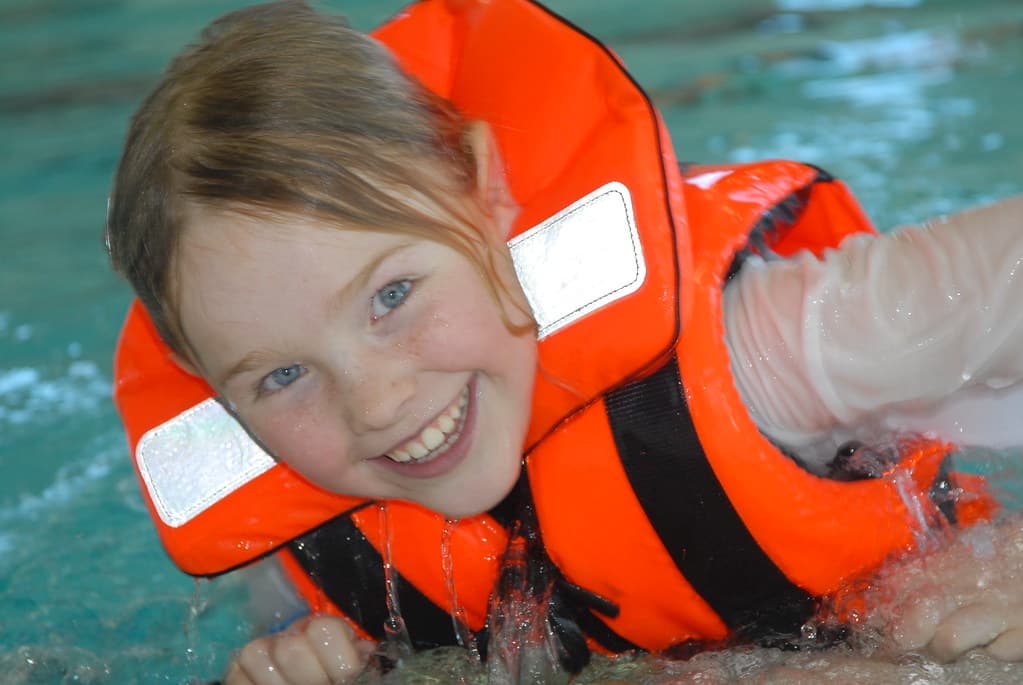
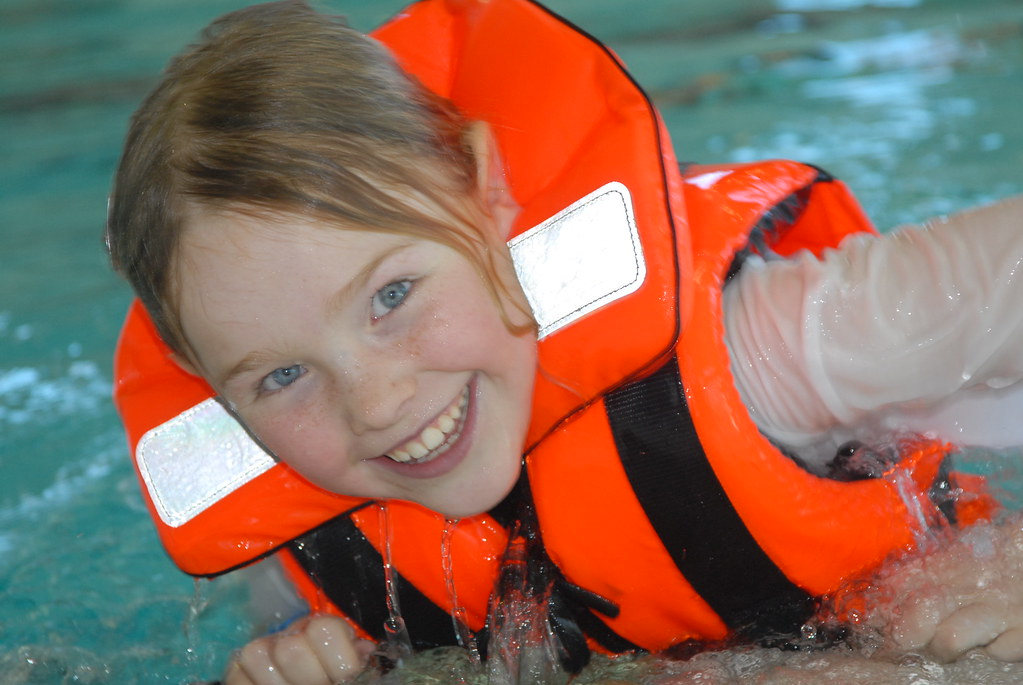
For it to be safe and functional, a life vest has to have the right fit. It should be snug but not too tight; if it is, it is possible that your child has outgrown it, and it will no longer offer enough buoyancy. When a youngster is in the water, a vest that has been tied shouldn't ever rise over their face; if it does, the vest is probably too big for them.
Weight
Before you click "purchase," make sure you weigh your kid and measure the diameter of their chest. Most life vests are available in three weight categories, ranging from 30 to 50 pounds, 50 to 90 pounds, and less than 30 pounds.
Materials
The outside layers of life vests are often constructed from nylon, polyester, or neoprene. At the same time, the inside is typically filled with polyethylene (PE) or expanded polyethylene (EPE) foam, which is very buoyant and is also entirely recyclable.
Use
If your child is a little kid who is already an expert swimmer and wants to spend the day kayaking, they will require a different kind of life jacket than if they are a non-swimmer who is coming to the pool for the first time.
Practice
One more piece of advice from the experts, handy for children less than 5: Practice. As a means of problem-solving, you should assist your kid with putting on and removing the life jacket before you take them out on the water. The life jacket should be tested in a supervised setting, such as a public or private pool, or in water that is not turbulent, with an adult present.