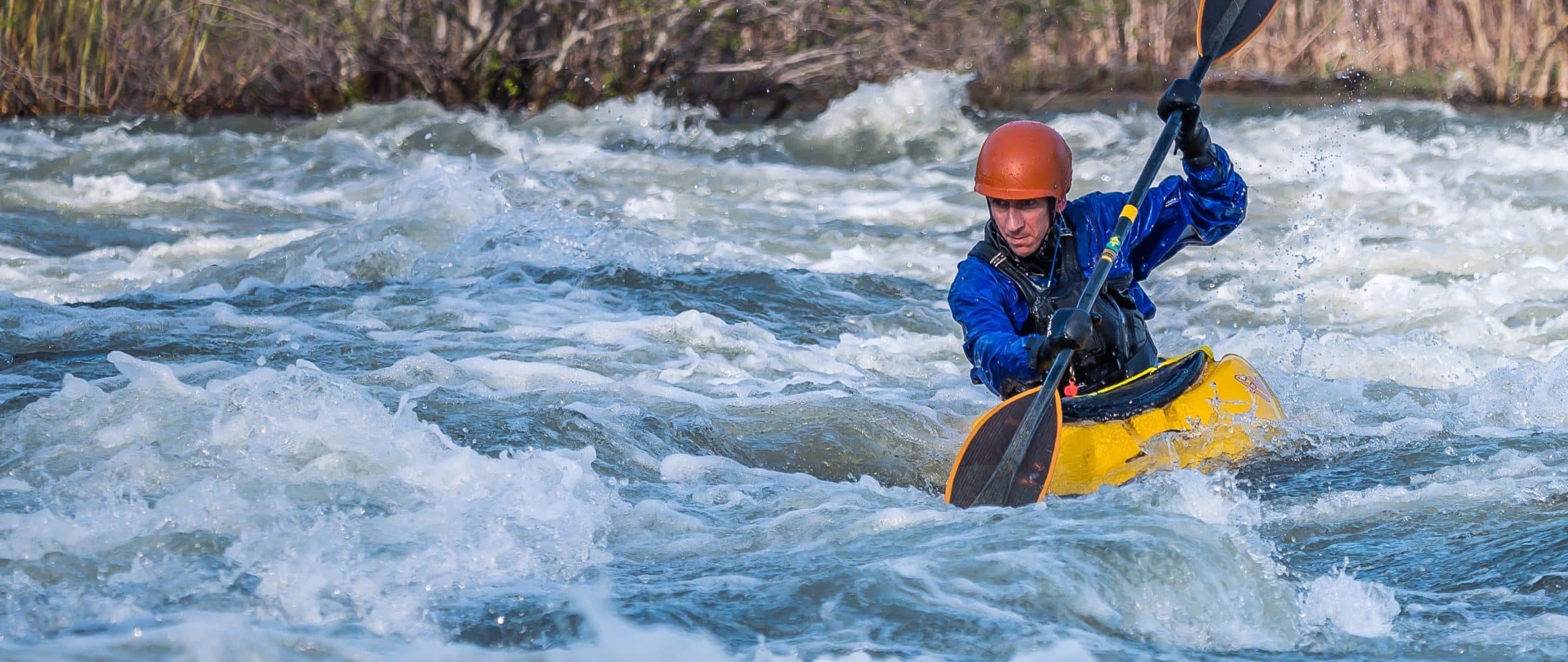
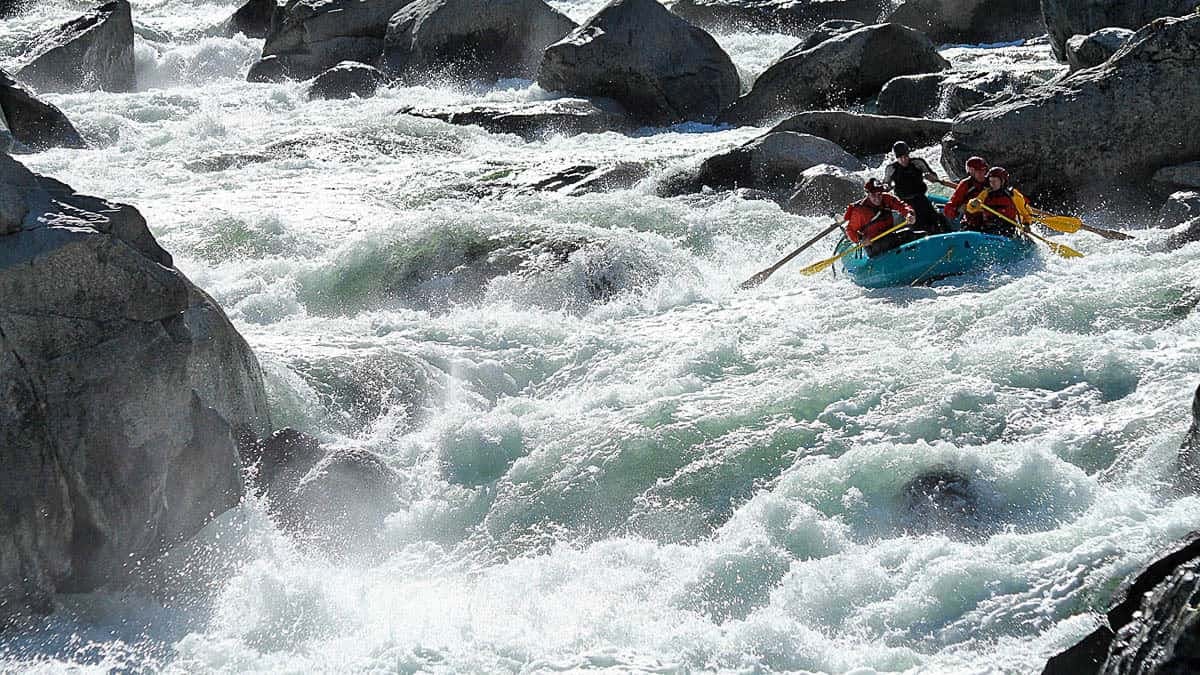
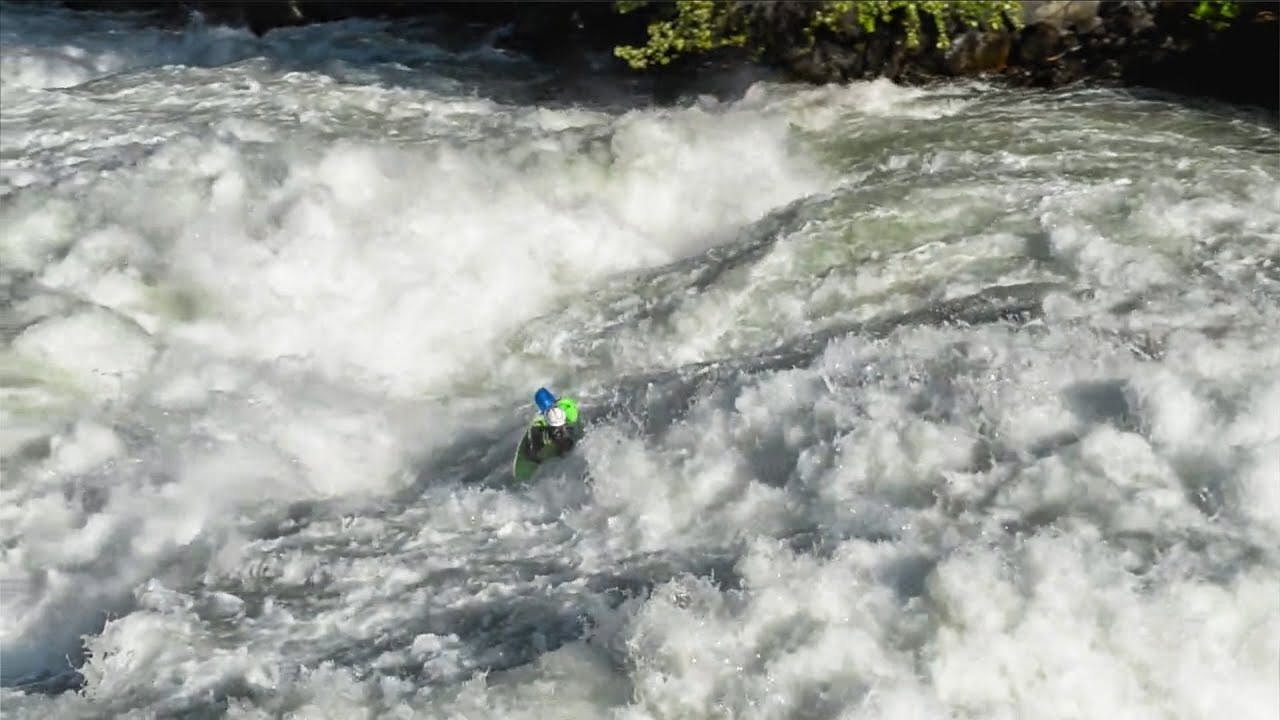
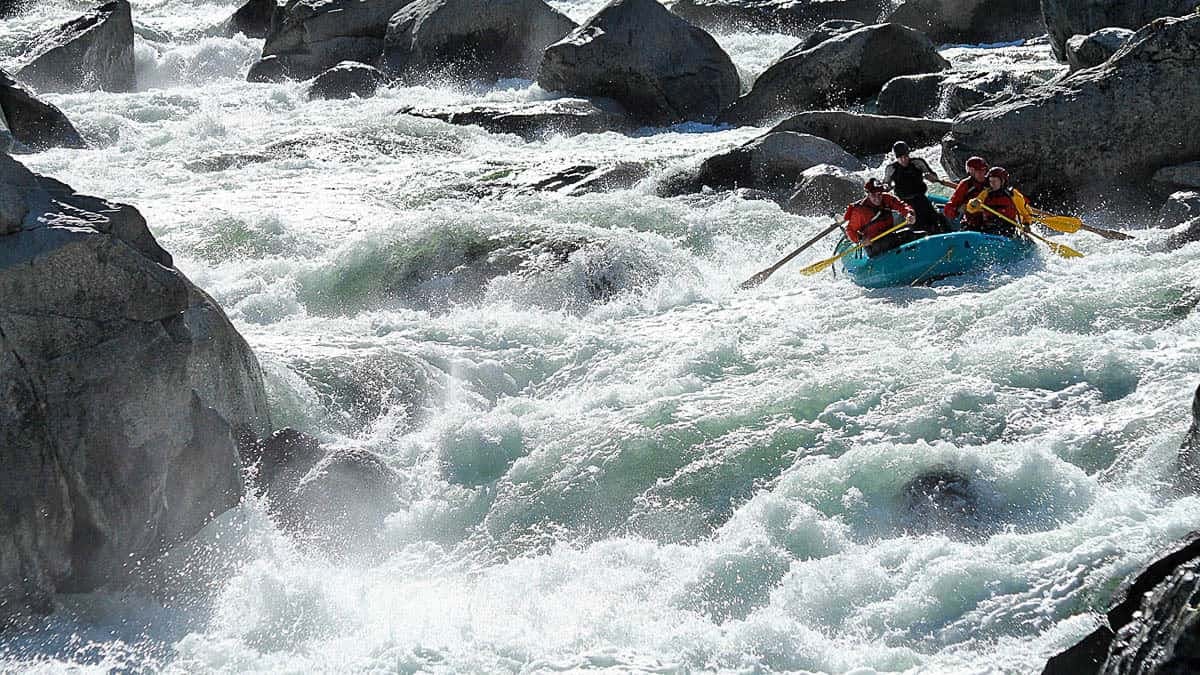
When the water level rises or falls significantly, the river's landscape can undergo dramatic transformations, bringing about new and unexpected features. When the water level is exceptionally high due to spring runoff or intense storms, a pair of rapids previously classified as Class II might quickly escalate into a roaring Class IV. In contrast, a Class IV rapid can transform into a shallow pussycat when the water level in the river is low during the late summer. The force of currents being pounded this way and that by boulders and impediments creates intense and dangerous surface conditions. This causes even ordinarily calm stretches to become turbulent and dangerous when flood levels occur.
River flow has also been given its classification through the use of an international rating system. The categorization of a particular river may shift from one season to the next; the letter designations listed below are used to define the water level and the velocity of flow in the river:
L, which stands for “low ”:
" indicates that the river's levels are lower than average. Paddling may be made more difficult by Water that is shallower than average. External areas can become dry banks, while common areas might transform into muddy sandbars.
The River Flow Is Classified As M :
which stands for medium-normal. When describing decent water conditions in rivers, "medium water" is typically used to refer to rivers with gentle gradients and sufficient depth to allow passage on the more difficult sections.
Higher Than Average Is Denoted By The Notation MH :
which stands for medium-high. When the gradient is relatively flat, the flow is quicker. The best flow for more difficult river sections, with enough Water to allow navigation over low ledges and rock gardens.
H, Which Stands For High :
The Water, is becoming increasingly challenging to work with. The river's level is significantly higher than the average for this year. "Heavy" is a term that canoeists might use to describe powerful currents. Small debris can come floating by, warning that the river is hazardous and should only be navigated by experienced kayakers or canoeists whose vessels are supported by flotation bags.