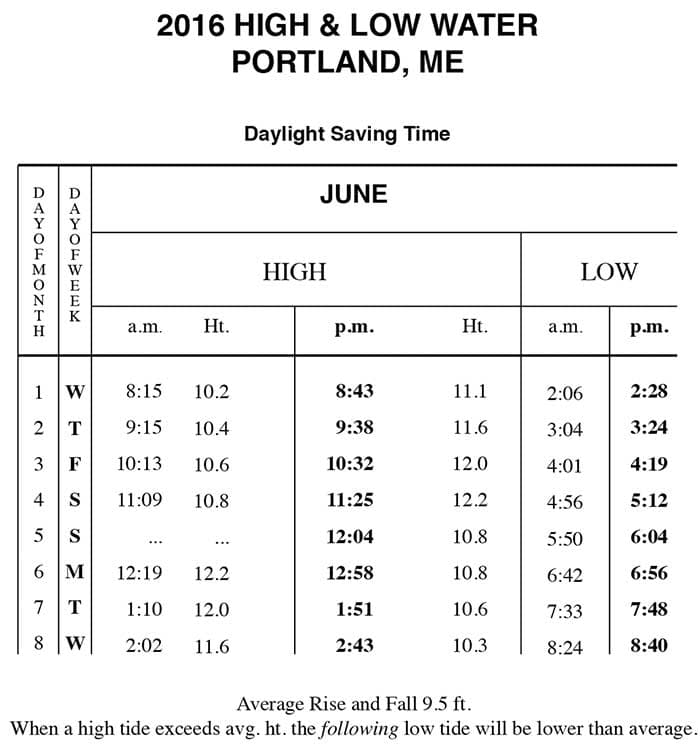
The time of high tide, the time of low tide and the height of each wave are crucial information that may be found in tide tables for every location. Here is an explanation of how to calculate the times in between.
If you do not have access to the slack tide chart and need to know how much water is below your boat at a particular time of day or a specific location, the "Rule of Twelfths" will be very useful. It is an easy-to-use reference for "semi-diurnal" tides, which means there are two almost identical complete tidal cycles a day. In other words, the waves occur twice as often as once daily (high, low, high, low, all within approximately 24 hours).
In general, it takes this tide around six hours to entirely rise (flood) or descend (ebb) (ebb). The length of time that elapses during the "slack" period (when the tide is moving in the other direction) changes according to several circumstances, including your location, the moon's phase, the wind's strength, and others. The slack tide period may be as little as a few minutes or as much as considerably longer, and it does not always coincide with the precise moment when high and low tide occurs. Tides and currents are places to get a free copy of the NOAA tide predictions.
The times of high and low tides and tidal heights above or below the chart datum (the numbers showing depths on your chart) can be determined for each day using several different sources. These sources include weather broadcasts, tide tables, tide time, navigation programs, specific diagrams, and books such as the Eldridge Tide and Pilot Book, published annually. When going on a coastal cruise, it is a good idea to bring along a printed version of the tide tables in case there are periods when neither power nor Internet connections are accessible.
Okay, How About We Give This A Shot Together?
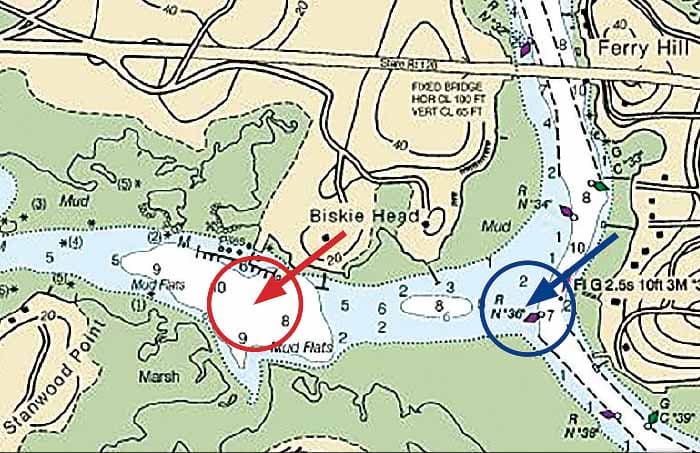
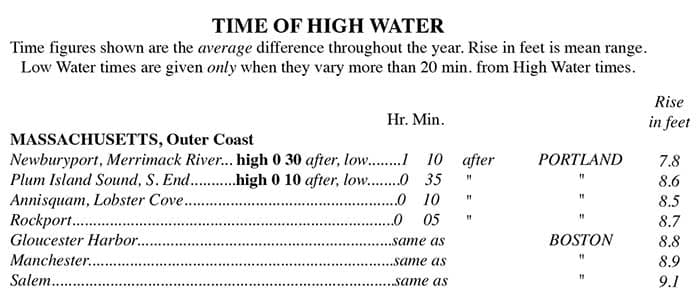
Let's pretend we're going on a trip to Maine to learn how to read tide tables by imagining that we're already there. This will take place on Saturday, June 4th. During your journey out, you will be traveling over Massachusetts Bay. Just a short distance from the Annisquam River, which connects Gloucester Harbor and Ipswich Bay, the map depicts a sheltered cove that would be an ideal place to spend the night.


![Tide Chart: The Rule That Is Based On Twelfths [updated 2026]](https://shared-bucket-websites.s3.amazonaws.com/TheRuleOfTwelfths-1656542818352)