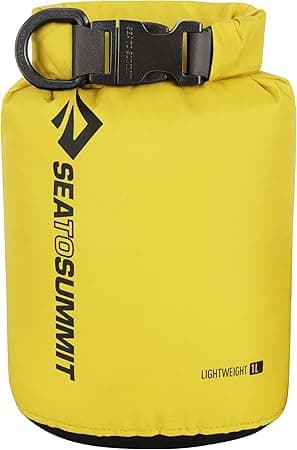
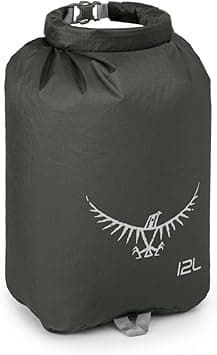
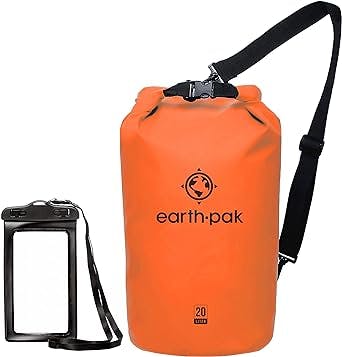
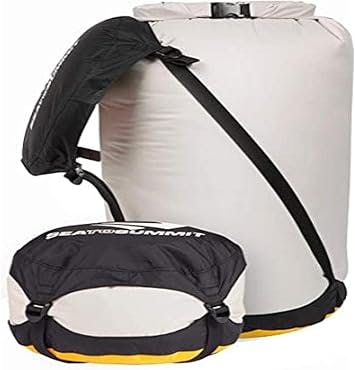
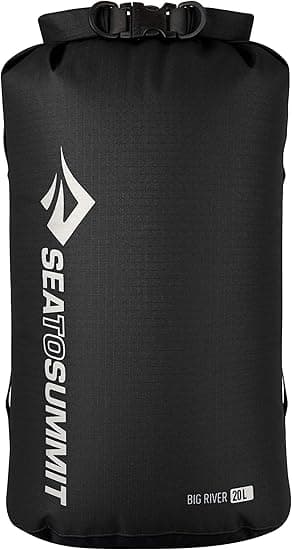
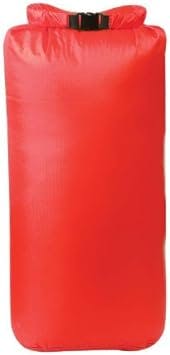
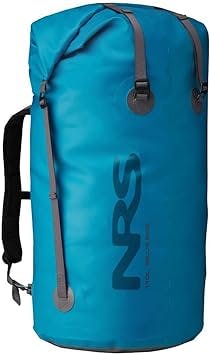
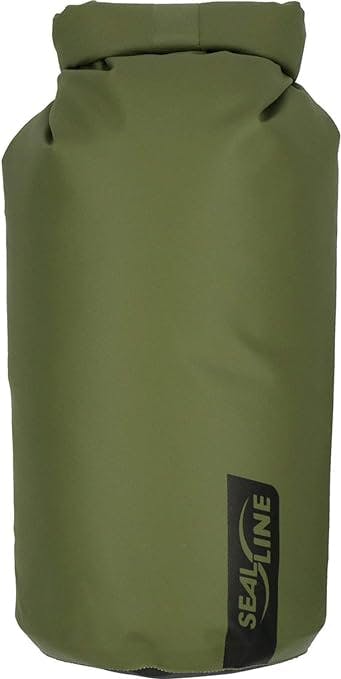
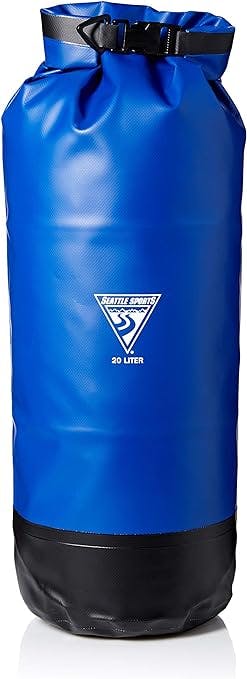
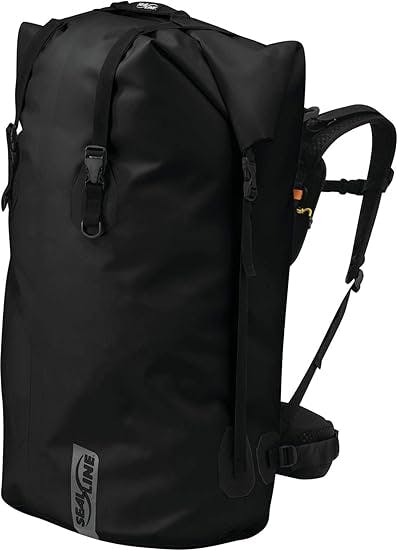
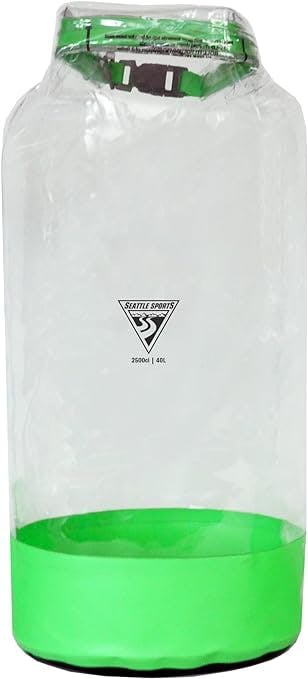
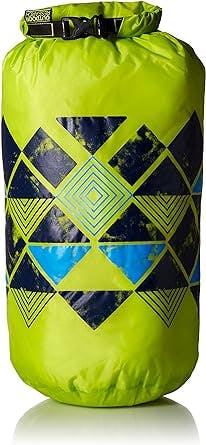
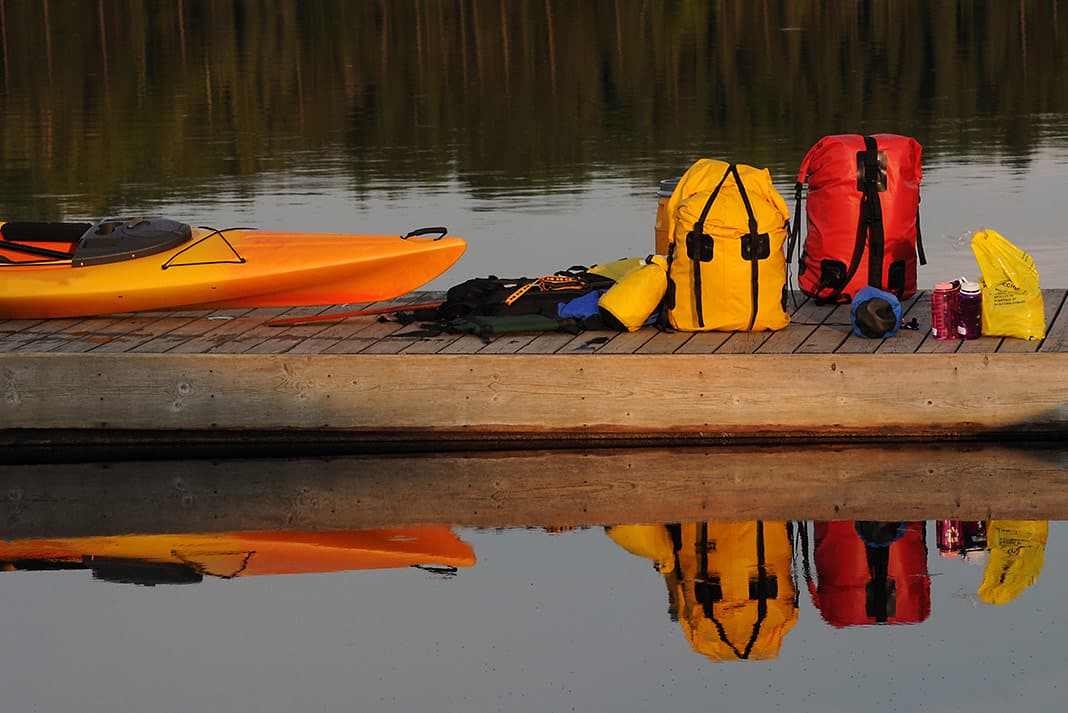
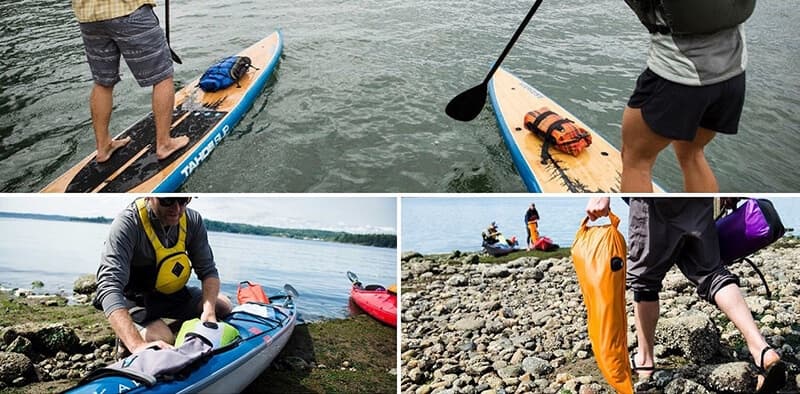
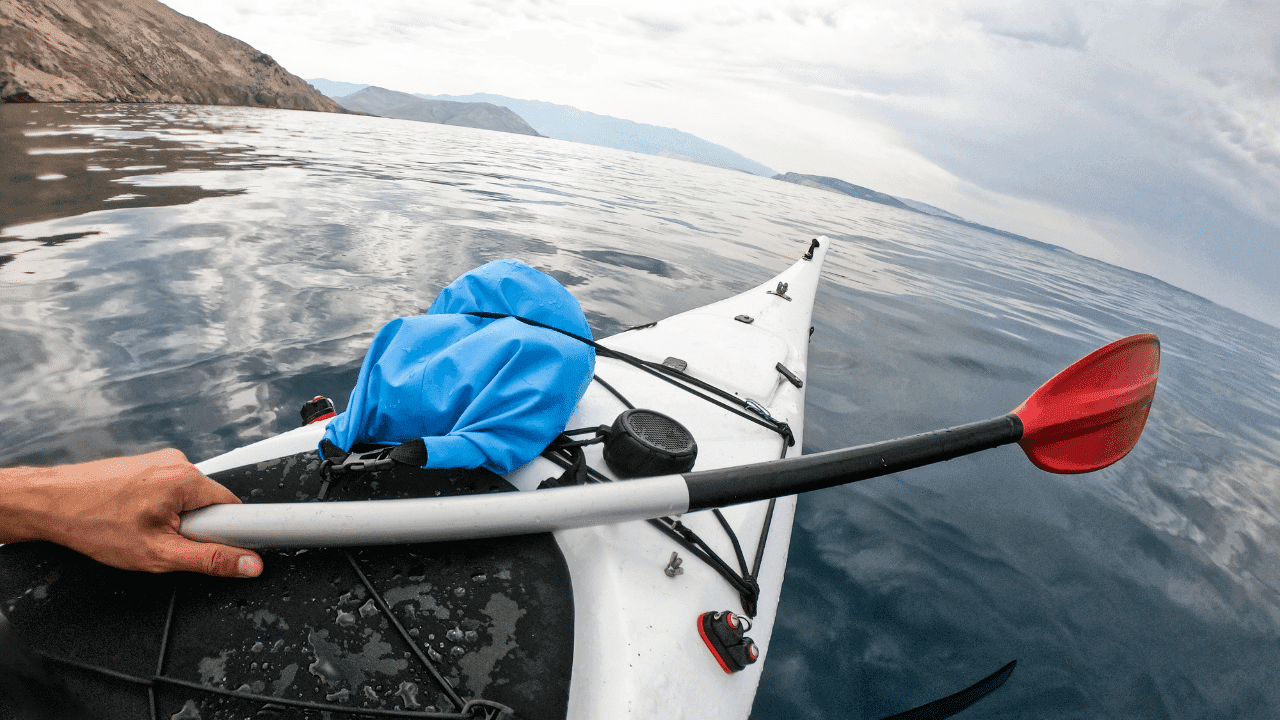
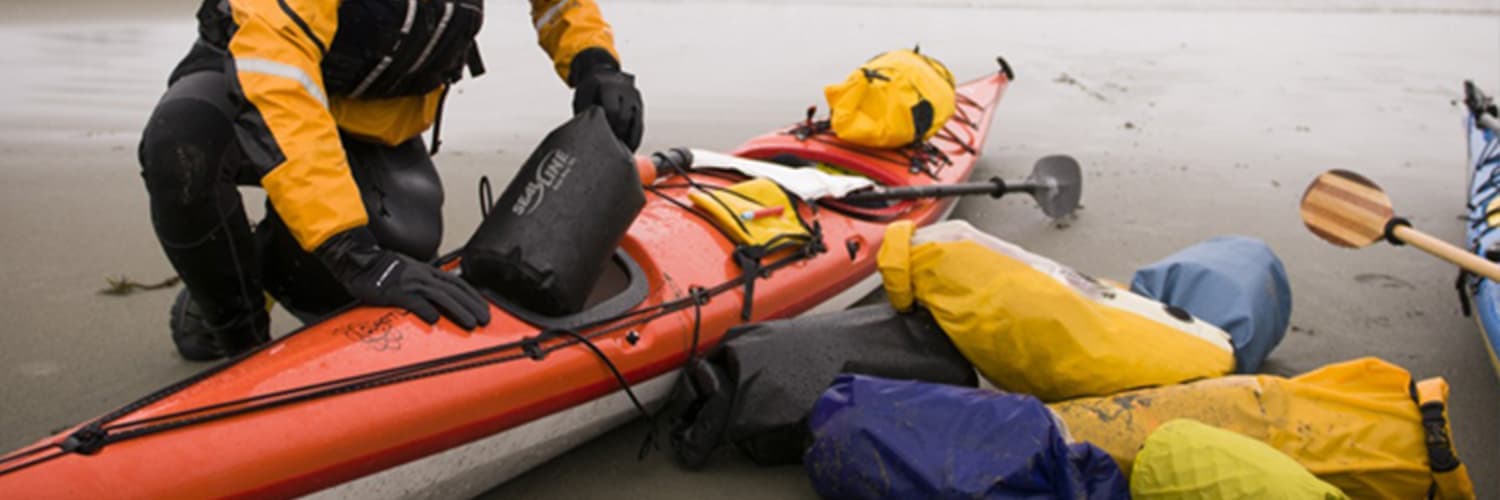
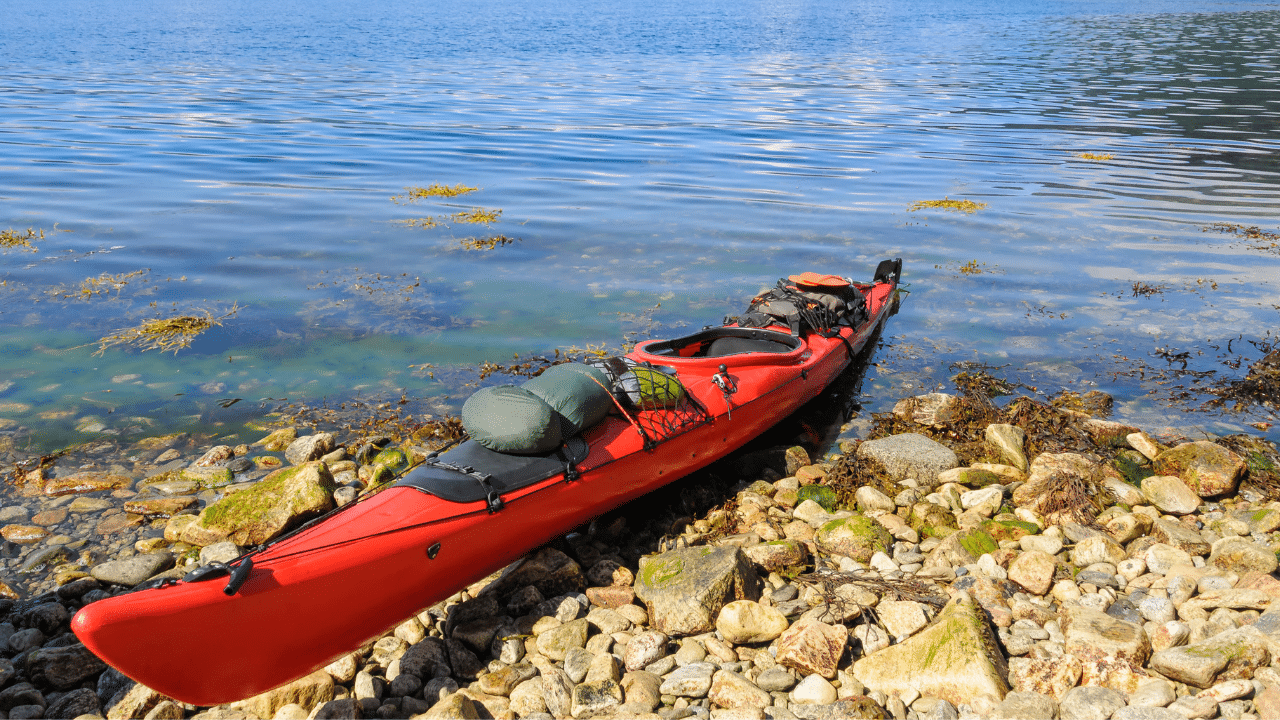
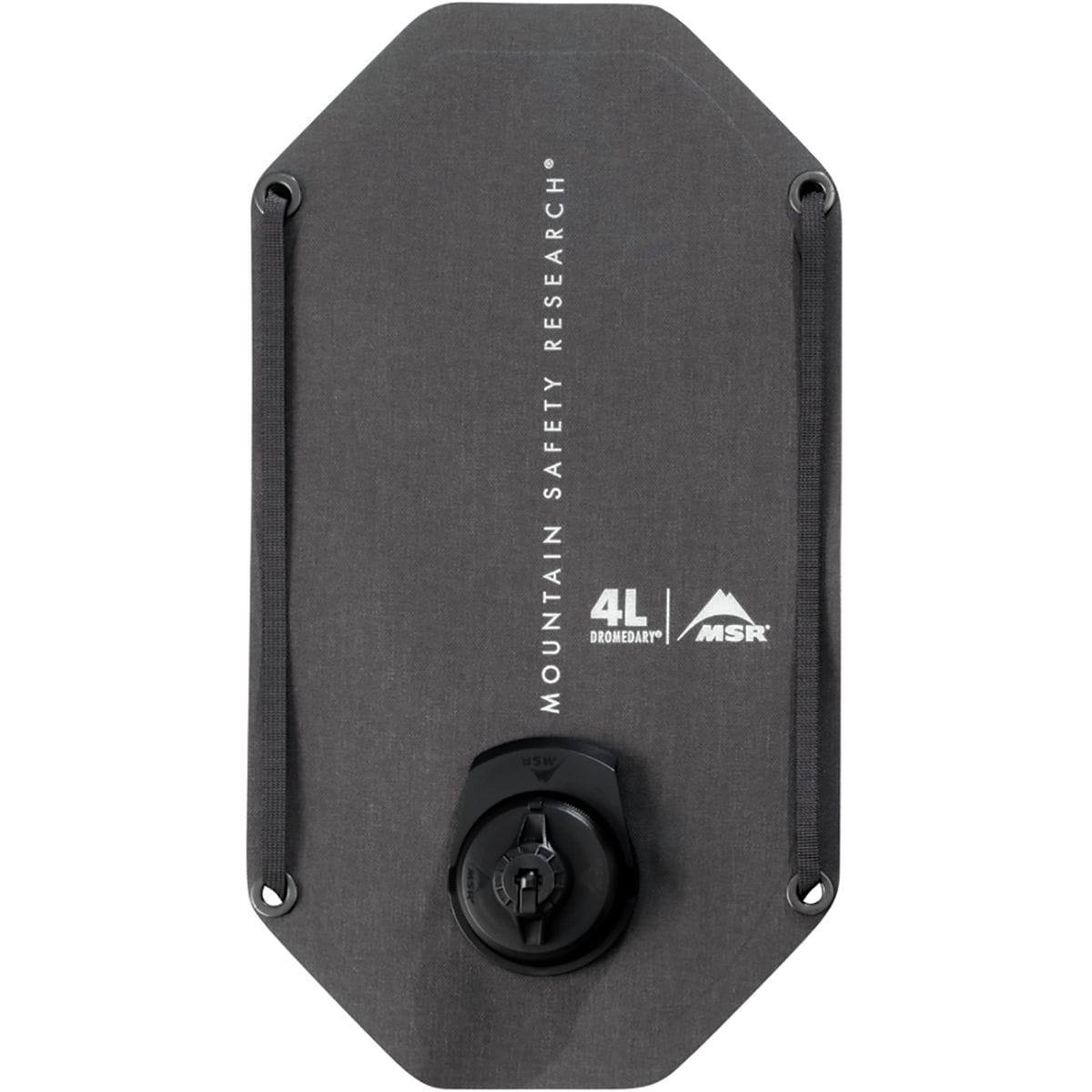
Dry bags, in addition to serving as the primary storage unit for your kayaking gear, typically feature sections that you can easily open, making it possible to bring items such as food, a map, sunscreen, insect spray, and so on. When you are paddling, having these essential goods in a location where you can easily access them rather than having them roll around on the bottom of your boat is handier.
What You Should Search for When Buying a Dry Bag?
Materials
Materials a dry bag's primary function is to protect the contents within from moisture and keep them organized. It is necessary to be aware of the many materials that may use to construct a dry bag that has both the strength and flexibility required for practical use.
Nylon and vinyl are widespread choices for constructing dry bags. You should seek dry bags manufactured of vinyl if you are planning a multi-day kayaking vacation in the backcountry or on rugged terrain. Vinyl is the most durable material for dry bags, and it will protect the bag's contents from water even if it is immersed. Because vinyl is one of the most durable materials used for camping, dry bags made of vinyl are ideal for transporting heavy items (such as stoves, first-aid kits, and shoes), in addition to keeping water out. That makes it possible for the bags to be used as waterproof containers.
When looking for a dry bag, one fantastic material to go for is vinyl; however, dry bags made of nylon are an excellent option. Nylon dry bags will be a better option for you than dry vinyl bags if you intend on going on a day excursion in an area with a mild terrain. When compared to vinyl, nylon is a very lightweight and flexible material. As a result, it is easier to store in a kayak or other compartment and does not weigh as much to transport.
When searching for the ideal dry bag for your requirements in the great outdoors, it is essential to keep in mind the many pieces of equipment your excursion will need. A strong vinyl dry bag is an excellent option for your vacation, particularly if you want to carry any heavy items with you. On the other hand, dry bags crafted from nylon or other synthetic fabrics will do the work if all you want to do is go on a short paddle that is not too strenuous.
When shopping for a dry bag for kayaking, here are some materials you should check for:
Synthetic materials include Nylon, Vinyl, and PVC.
Security
Dry bags are the vessel that house the majority of your kayaking gear; thus, your dry bag must remain tightly zipped so that none of your necessities become wet, ripped, or jumbled. Manufacturers use various methods to produce that tight seal at the top of your kayaking bag, including straps, clips, and other fastening devices.
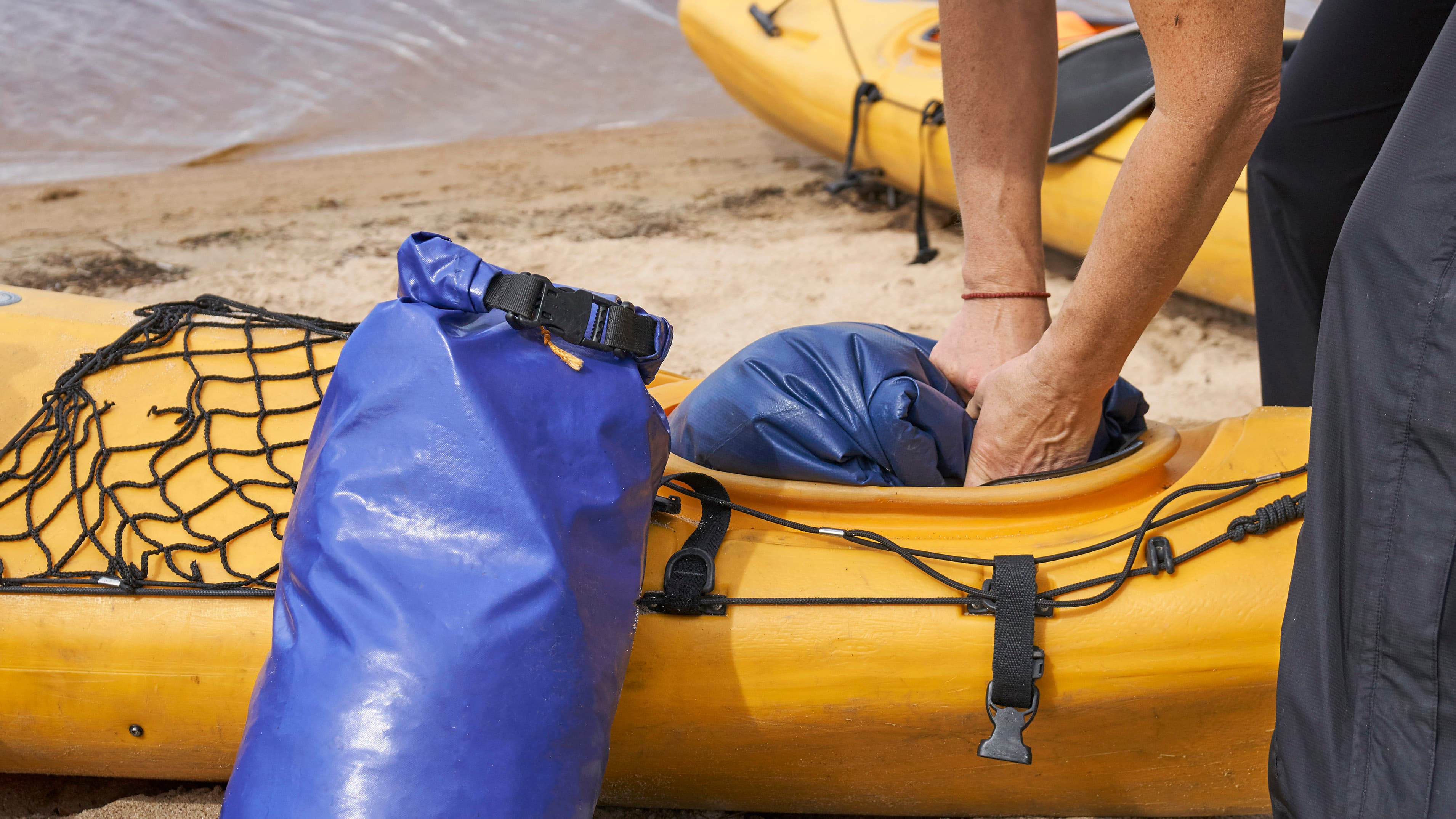
The most acceptable dry bags for kayaking typically include a top that can be rolled down and then secured with a clip, a velcro strap, or a zipper. It allows for more space within the bag. Although it may appear to be a relatively unimportant step in the packing process, rolling the top of your dry bag down after loading it with gear is a move that completely changes the game. You may make your dry bag more compact (get that extra air out!) and add a layer of waterproofing by rolling down the top after filling it with your goods. It will ensure that nothing is harmed while it is in your possession.
An expert piece of advice: if you are going to pack a raincoat, put it at the very top of your dry bag or on top of your clothing so that it can function as an additional protective layer before rolling down the very top your bag!
Some bags come with a single strap that is sewn into the pack. It allows the bag to be worn across the shoulders or the arm, leaving the hands free to carry out other tasks. Aside from that, it is highly typical for dry bags to have two straps sewed into the back so that who may wear them like a backpack. That makes it possible to carry the load on your back. Suppose you want to do any trekking or portage while on vacation. It is a good idea to bring along a dry kayaking bag with either one or two straps. This hands-free technology is also fantastic for using a dry bag, whether fishing or participating in other outdoor activities that involve some degree of mobility.When shopping for a dry bag for kayaking, here are some safety aspects you should look for:
Clips, velcro straps, zippers, or cinches that may be adjusted are all options.
After packing, there should be enough room for you to roll down the top of your dry bag for additional protection from the elements and safety.
Straps for the back or arms to facilitate better carrying or portaging of the pack easier.
Size
Dry bags designed specifically for kayaking are available in various sizes, and their capacities are often expressed in liters. A dry bag of around 10 liters should be plenty for your belongings if you intend to go on a short paddling excursion during which you will likely require your phone, wallet, and keys, among other items.
If you are going on a more extended paddle trip and need to bring clothes, shoes, or food with you, then you should search for a dry kayaking bag closer to 30 or 40 liters in capacity. That will provide you with enough room for all of your gear. Dry bags come in various sizes, but this shouldn't impact their longevity; the materials used to construct each pack will be the same, except for the proportions in which they are used.
When going canoeing or kayaking, one of the most compelling arguments in favor of bringing along a dry bag is that it can accommodate all of your equipment while still fitting in the bottom of a canoe or the compartment of a kayak. The dry bag will naturally get heavier and more prominent in proportion to the amount of stuff you carry inside of it; nevertheless, the dry bags described below all have excellent designs that keep your belongings manageable and small.
The following is a simple guide that will assist you in selecting the dry bag size that best meets your requirements:
Dry bags If your pack is less than 10 liters, it is ideal for day paddling excursions when you need to bring a few essential items such as a map, wallet, and flashlight.
Dry bags 15-30 liters: This volume range is ideal for day trips or weekend excursions, during which you will want to pack a change of clothing and a few necessities. Most dry bags fall within this price range since they are suitable for everyday kayaking.
Dry bags with a capacity of 30 liters or more are optimal for use on paddle trips that last multiple days and need participants to pack their provisions, clothes, and other necessities for the immediate future. The most significant benefit for dry bags of this size range is in the backcountry or on arduous paddling adventures.
Related What size dry bag to use for kayaking?
Color
Although the color of your dry bag could be an afterthought, there are several reasons you should select a brightly colored dry bag. A brightly colored dry bag for kayaking will assist you in readily discovering your goods in the event of an emergency or any moment you may require their use.
Price
The cost of dry bags will change based not only on the pack size but also on the quality of the materials used to make the bag. We have compiled a list of the most acceptable dry bags for kayaking, ranging in price from the most affordable to the most expensive.