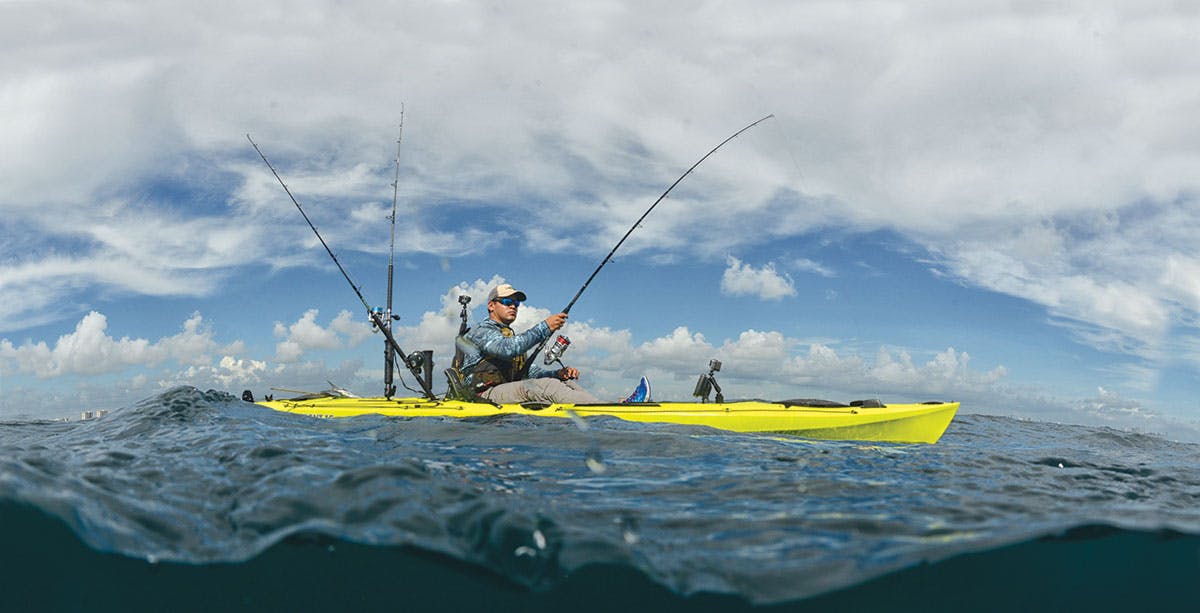
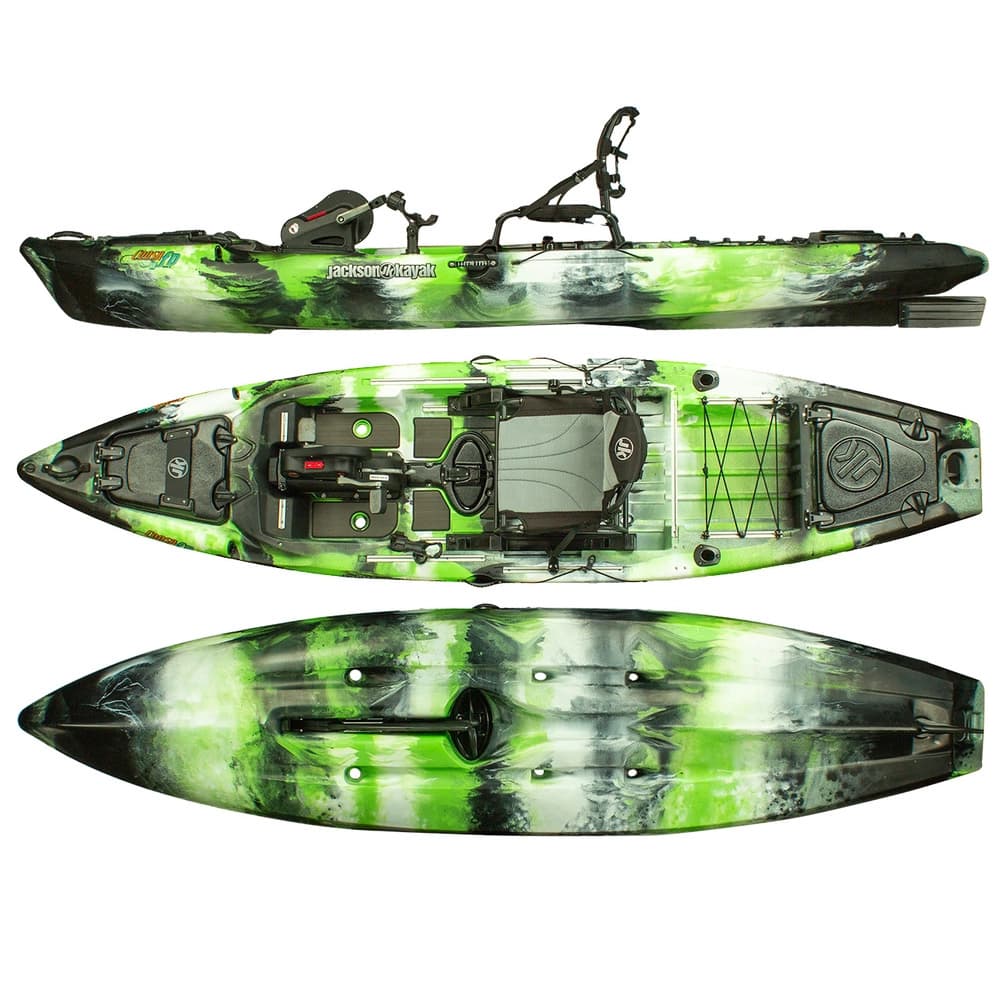
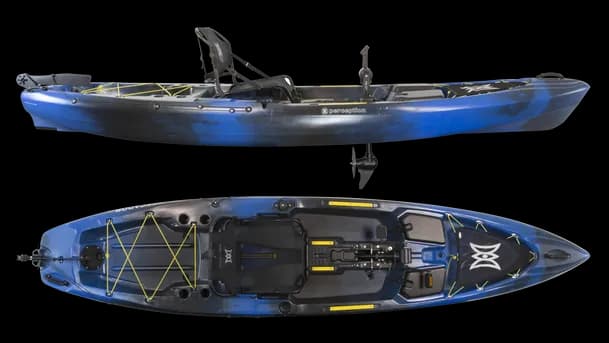
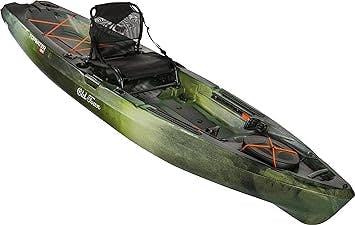
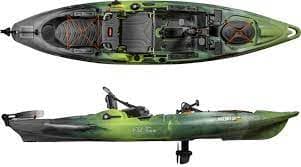
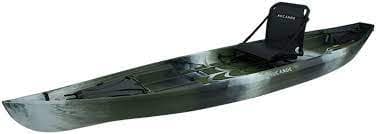
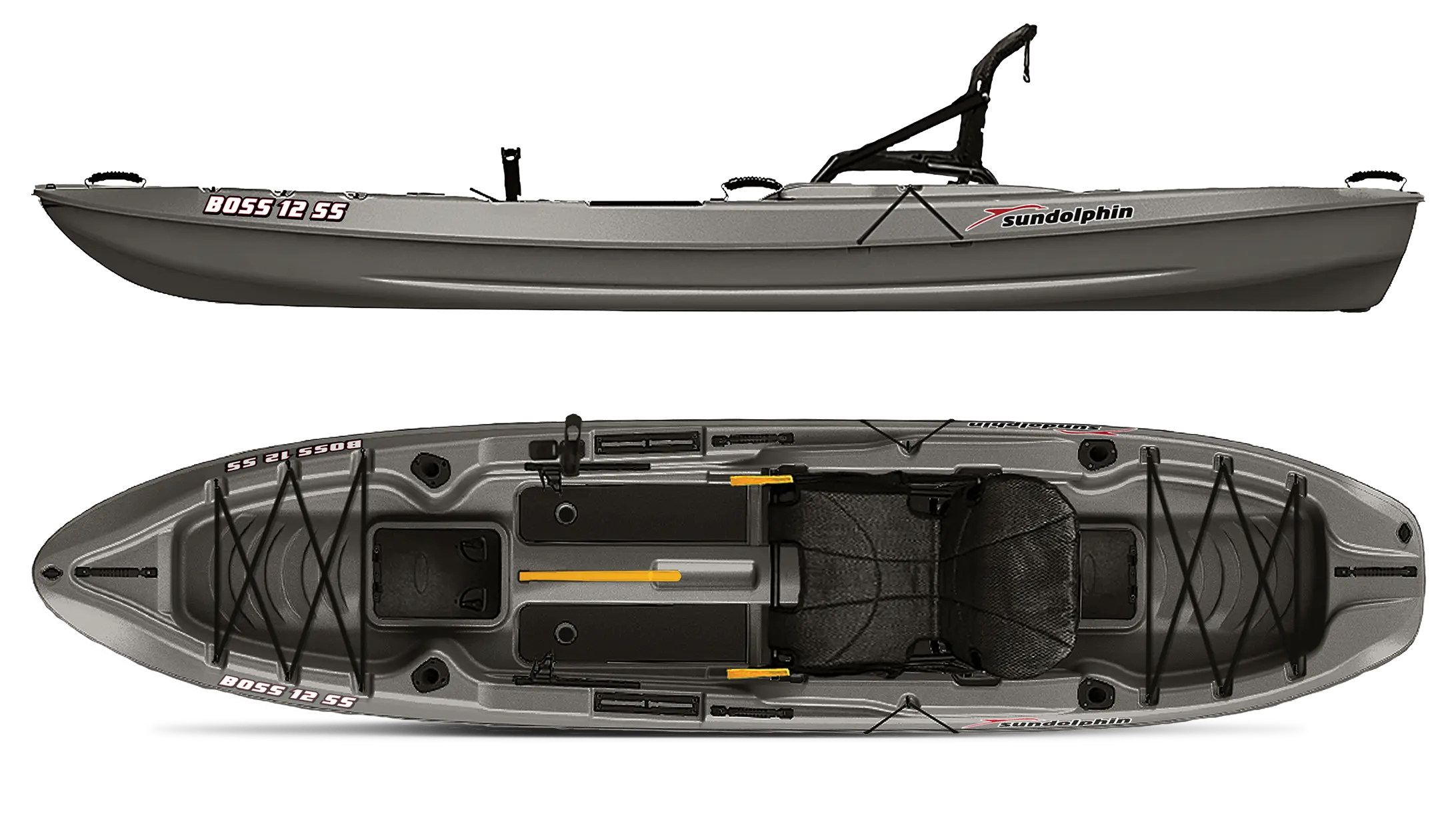
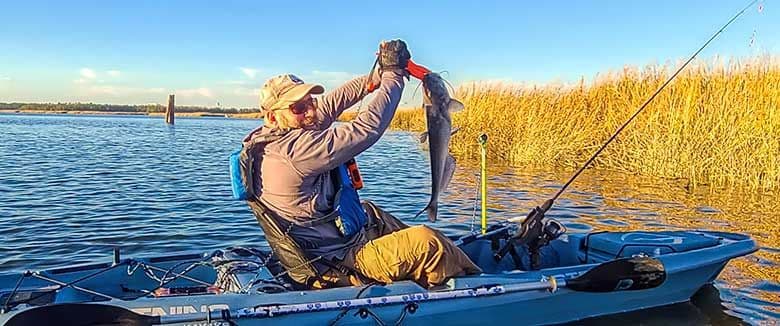
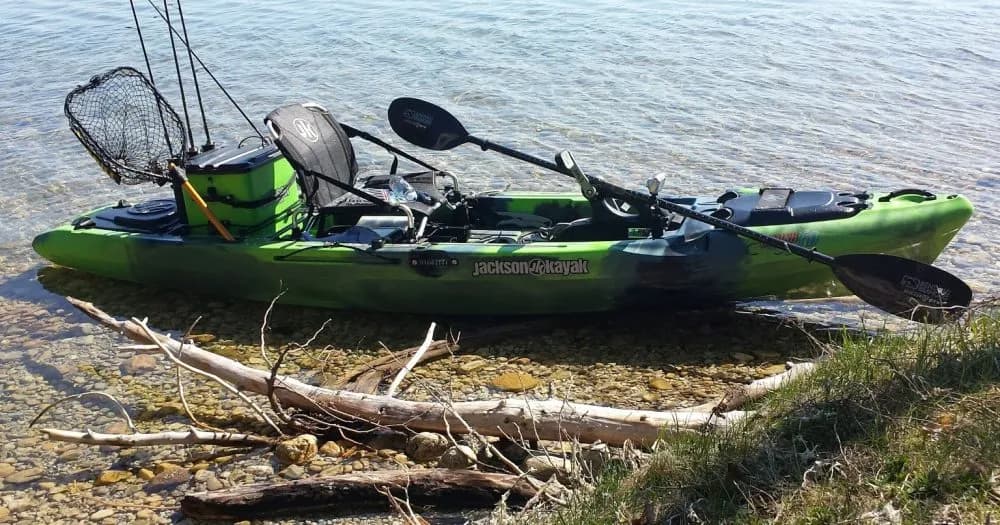
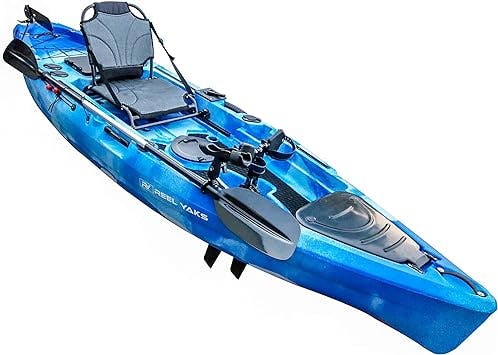
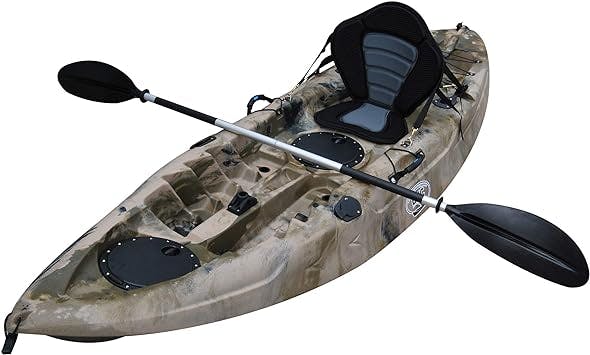
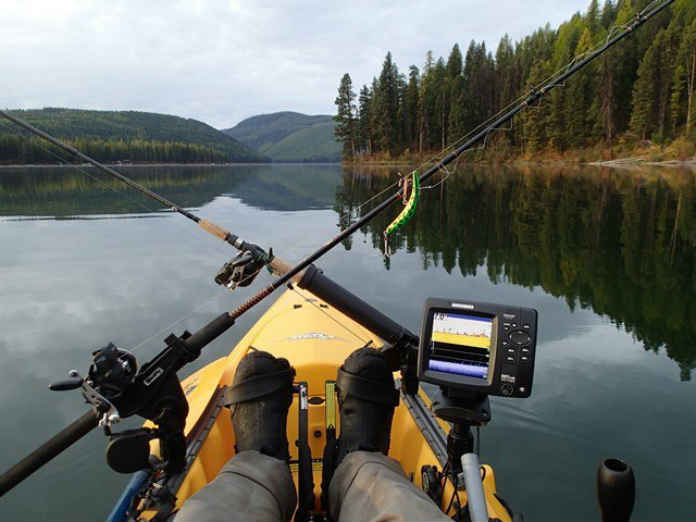
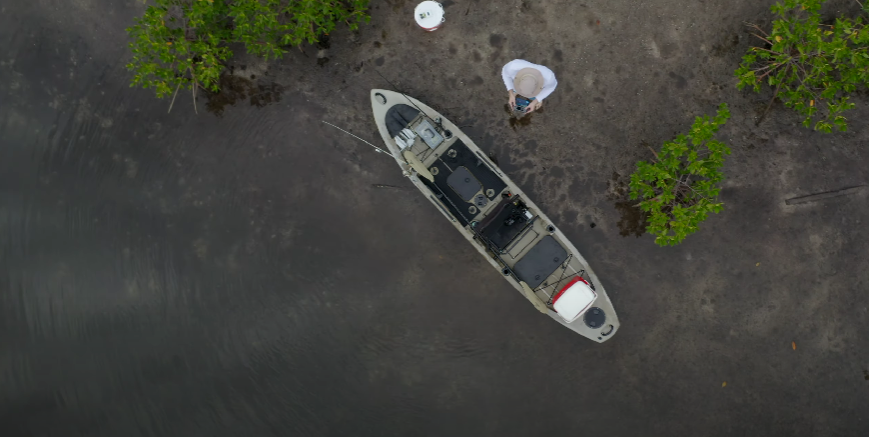
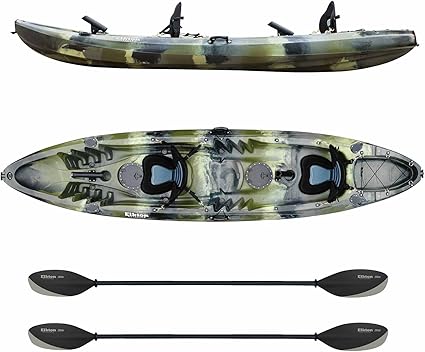
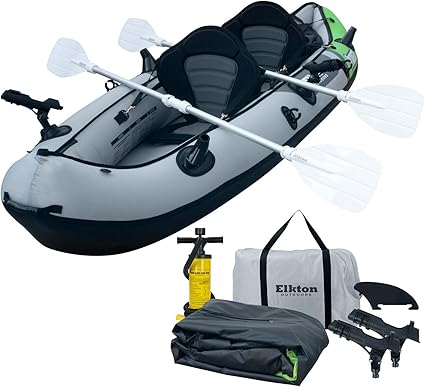
There are more rigging choices available when working with a vessel that has gear tracks, bungees, and mounting plates. You might also choose to save some cash by rigging the kayak on your own. Bars made of metal or plastic have a groove running down the center and are used as gear tracks. Drop the T-bar that is attached to the suitable accessory base into the path, and then tighten it to secure the accessory to the boat. This can be done in order to connect a rod holder, an electronics base, or another device. Bungee cords are used in the tank well and the bow well to fasten the tackle boxes and other gear. Some boats come equipped with mounting plates that can be used to attach an auxiliary base. Because the scale is removable and more durable than the plastic that the kayak is made of, you do not have to drill holes directly into the kayak.
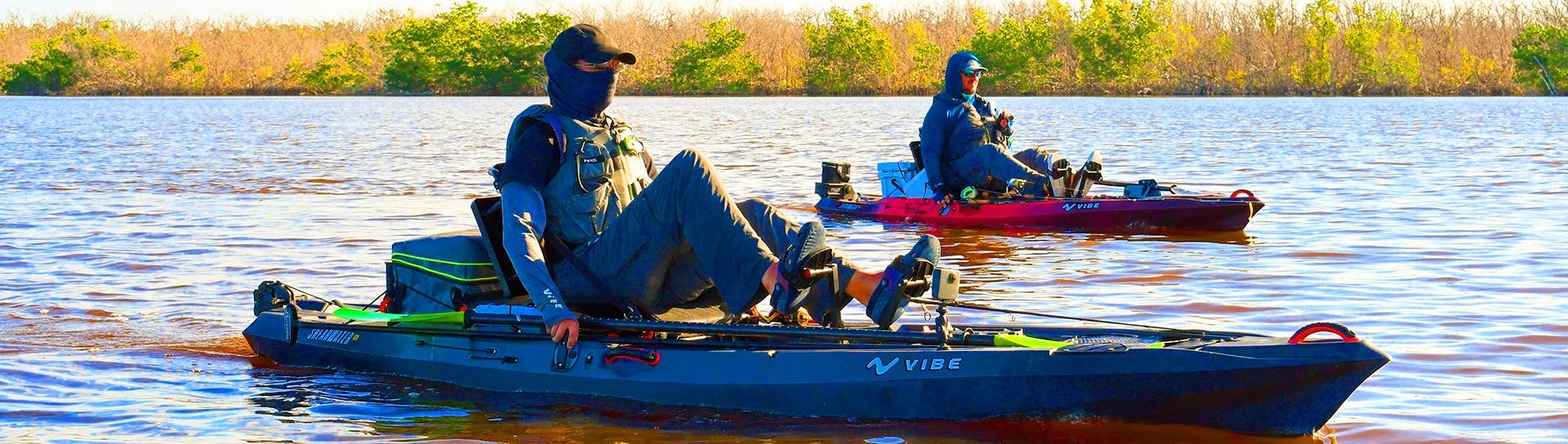
The best sit-on-top fishing kayaks have a design that makes it possible to install fishing equipment, lights, and even engines or anchoring systems. These boats have reinforced plastic in the stern and bow areas, and they include inserts to hold accessories in those areas. There are fishing kayaks on the market that feature through-hull ports and cable and wire routing below the deck. The very best boats include a unique scupper that leads to a cavity in the bottom of the kayak. This allows the fish finder transducer and line to be stored safely.