Neoprene Is The Material Of Choice In Most Cases
Neoprene is used in the construction of the vast majority of kayaking wetsuits, ranging in price from more affordable to more premium alternatives. As it's made, neoprene is full of microscopic air bubbles that disperse throughout the material. These bubbles give the material its insulating characteristics and make it possible for the material to be stretched.
In contrast to a drysuit, which acts as a waterproof outer layer and derives its warmth from the base layers worn below it, a wetsuit does not give any additional insulation. Because a wetsuit works by trapping a tiny layer of water between your skin and the neoprene - a layer that functions as insulation — a wetsuit does not prevent you from getting wet because it creates a layer that acts as a barrier between your skin and the neoprene. What neoprene does is keep you toasty despite the moisture.
This general rule has a few notable exceptions; contrary to popular belief, not all kayak wetsuits are made entirely of neoprene. Particular producers will include other materials in the mixture, such as nylon and Lycra. Why? Neoprene tends to become somewhat rigid, mainly when it is of thicker consistency. Sometimes referred to as "stretch neoprene," nylon and Lycra may impart a degree of flexibility to the wetsuit, making it simpler to don and enhancing the wearer's comfort level while paddling.
Wetsuits almost typically have a nylon lining. Anyone who has worn a wetsuit on bare skin or struggled to put one on knows how little genuine comfort nylon or polyester gives. Because of this, it's generally a good idea to wear anything below your wetsuit, such as swim shorts or a rash vest. However, you can also purchase winter kayak wetsuits with a fleece lining or base layer. This adds warmth and softness to the suit and makes it more comfortable by keeping the case from clinging to your naked skin and making it less likely that you will slip and fall.
The Thickness Of A Wetsuit Determines The Amount Of Warmth It Provides
It's not possible to oversimplify the relationship between the thickness of the neoprene and the amount of warmth provided by the kayak wetsuit. Because of this, neoprene is classified as a closed-cell foam material. Neoprene is a form of synthetic rubber made up of tiny air pockets that trap heat. Therefore, the greater the thickness of the neoprene, the more the insulation it offers and the warmer the suit will be.
On the label of the wetsuit, you will be able to discover information on the thickness of the wetsuit, and it will normally look something like this: 4 (Abdomen) / 3 (Hips) / 3 (Arms)
One, two, or three numbers may be used to indicate the thickness of neoprene, which is measured in millimeters. Numbers represent the thickness of the neoprene-wrapped around the torso, the legs, and the arms if there are three numbers. It is important to remember that most kayak wetsuits will have a tighter fit around the chest region to regulate your core temperature better. When it comes to the arms and legs, using thinner neoprene helps to retain flexibility and freedom of movement, which are necessary for paddling.
Design & Cut
When you think of a wetsuit for kayaking, the full-body type is probably the first thing that comes to mind, is that right?
Despite this, there are also several different shapes of kayak wetsuits, each of which is intended with a specific set of circumstances in mind. When it comes to wetsuits, kayakers have their pick of four different styles:
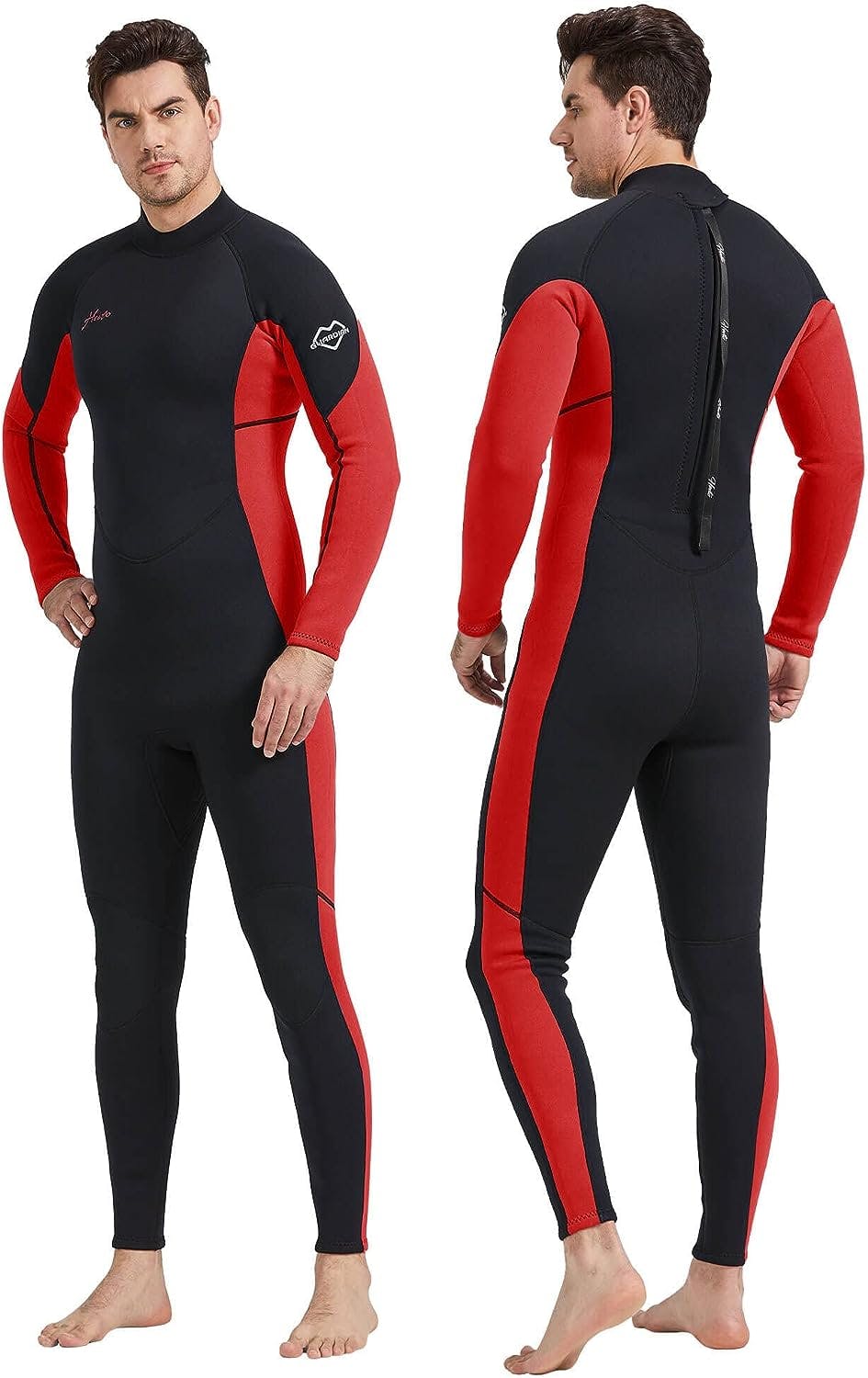
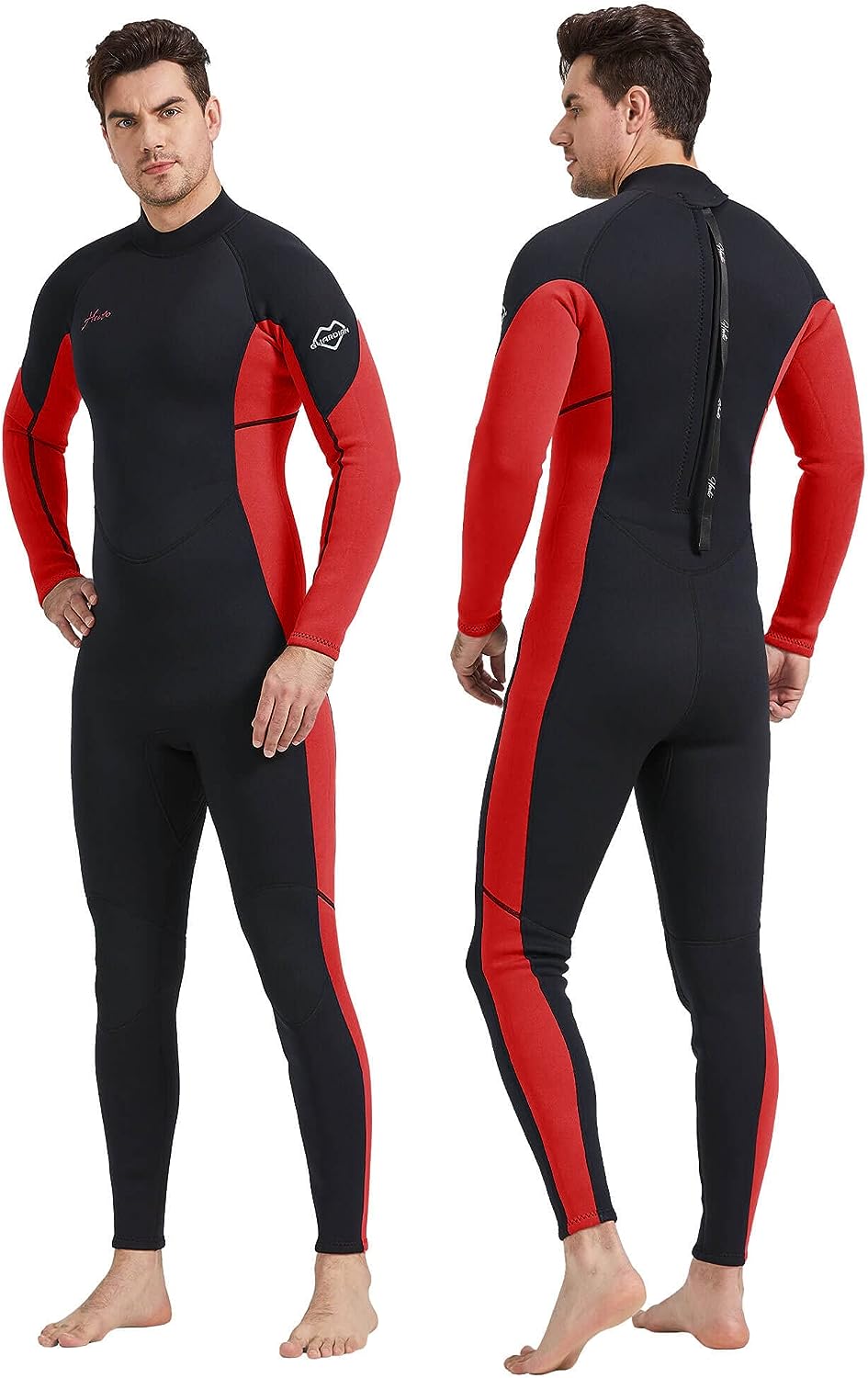
- Full wetsuits provide the maximum protection possible since they cover the paddler's whole body except for their hands, feet, and head. This style is the most common kind of wetsuit. In areas with cooler climates and water temperatures lower than 60 degrees Fahrenheit, you will need to wear a complete suit.
- Shorty Wetsuits Shorty wetsuits, sometimes called "spring suits," are a shortened version of a full-body wetsuit. They have shorter legs and sleeves than a full-body wetsuit. If you still need covering, but the temperature is too warm for a complete wetsuit, they are a better option for you to go with.
- Short John Wetsuits Short farmer John or farmer Jane wetsuits are sleeveless and will only cover the chest and legs, exposing the arms. These kinds of wetsuits are often used by those who do spearfishing. This particular model of one-piece kayak wetsuit is an ideal option for use in usually warm locations.
- Long John Wetsuits: Like the short John cut, the long John cut exposes the arms, but unlike the fast farmer John type of wetsuits, the long John cut covers the legs completely, extending down to the ankles. This cut provides the ideal mix between insulation and mobility for kayakers, keeping the lower body warm while allowing a complete range of movement in the arms. This cut is perfect for those who spend a lot of time paddling.
However, there are several types of wetsuits than those worn in one piece. You may purchase a wetsuit as a two-piece set; some models even come with a jacket and bottom that can be purchased separately. Having this capability allows you to choose the amount of protection you want and the specific areas of your body that you want the suit to cover.
How Should A Wetsuit Be Worn For Kayaking Regarding Sizing And Fit?
Let's get one thing out of the way first:
For a wetsuit to be effective, it must closely fit the user's body. If it isn't, it won't be able to hold a layer of water, which means it won't keep you warm. When looking for the finest kayak wetsuit, you need to remember that there is a narrow line between having a wetsuit that is skin-tight and one that is painfully tight. If that's the case, how should a wetsuit for kayaking fit?
You don't want the suit to be so snug that it causes discomfort and limits your range of motion, particularly in the upper body. But it should never be loose either since if it is, you will have a steady stream of chilly water seeping in, which will make it more challenging to keep warm.