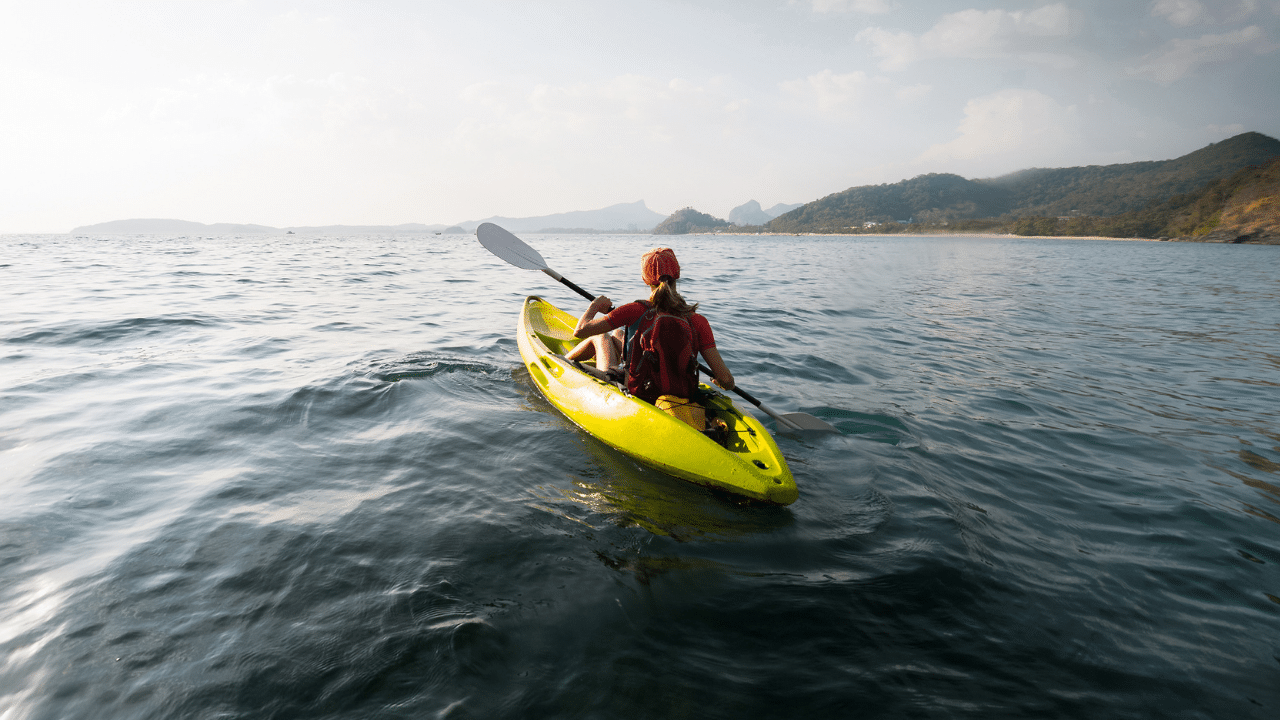
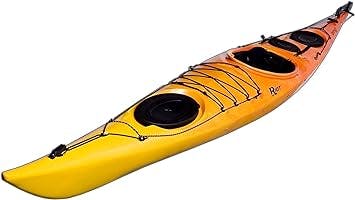
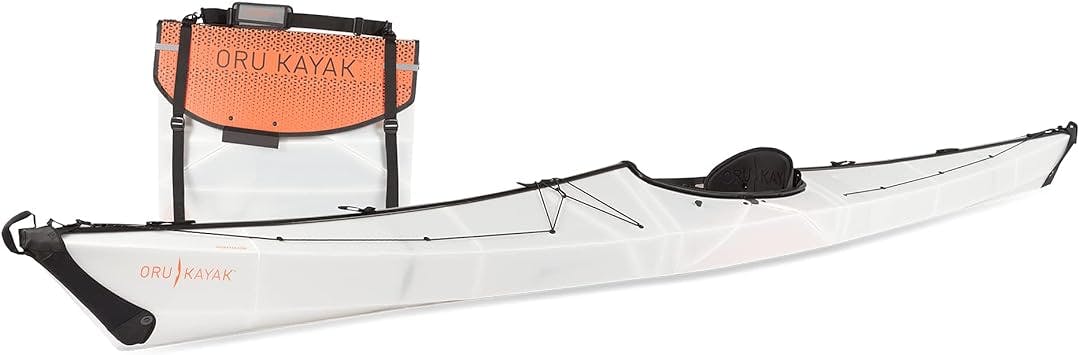
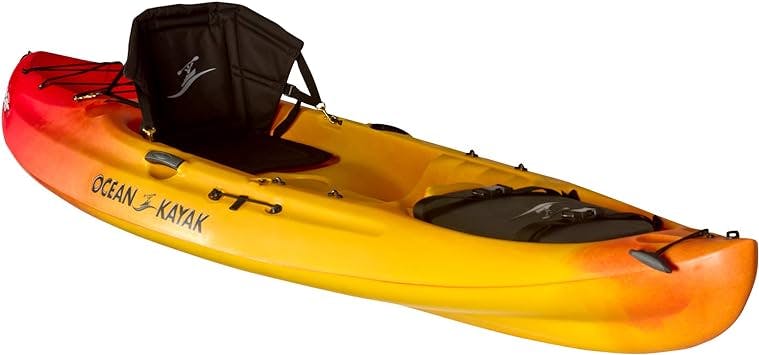
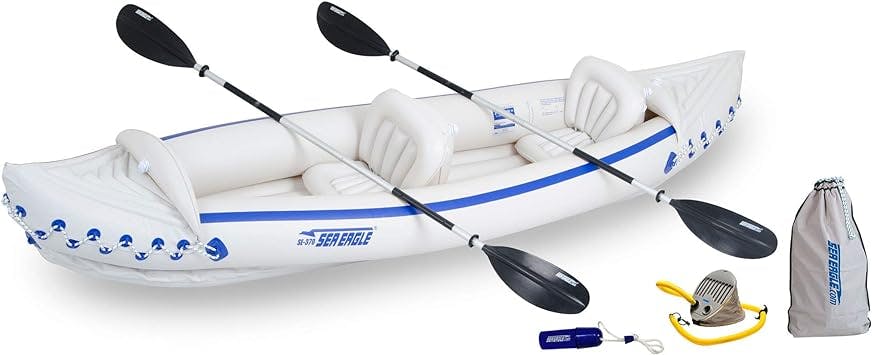
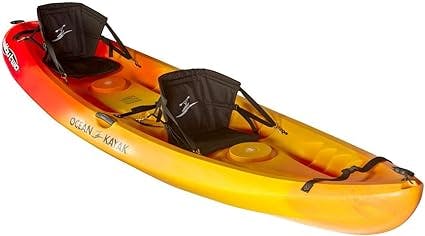
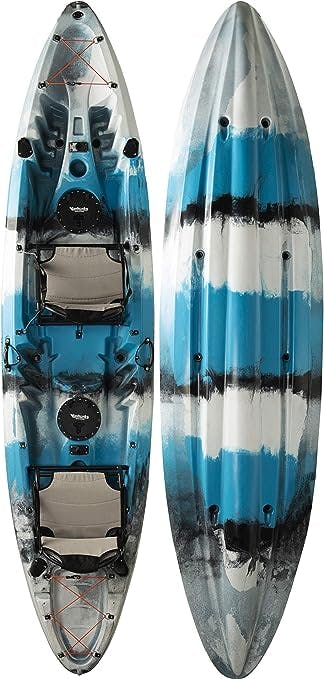
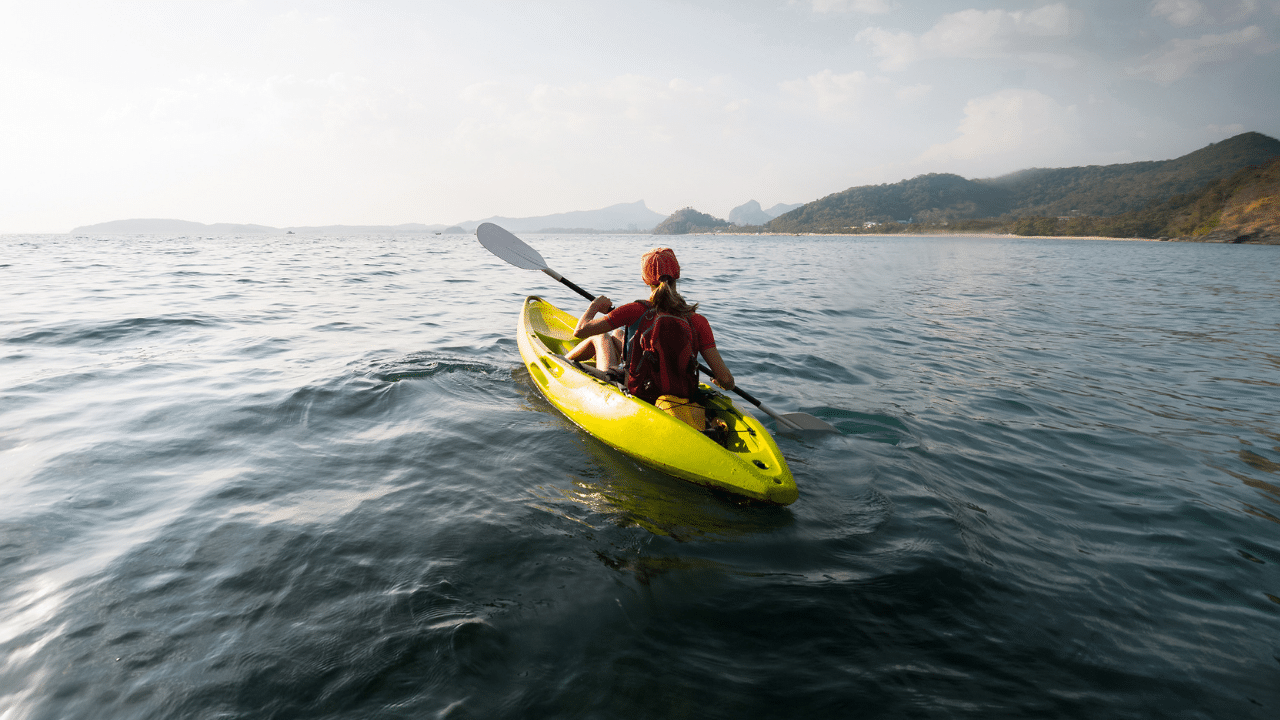
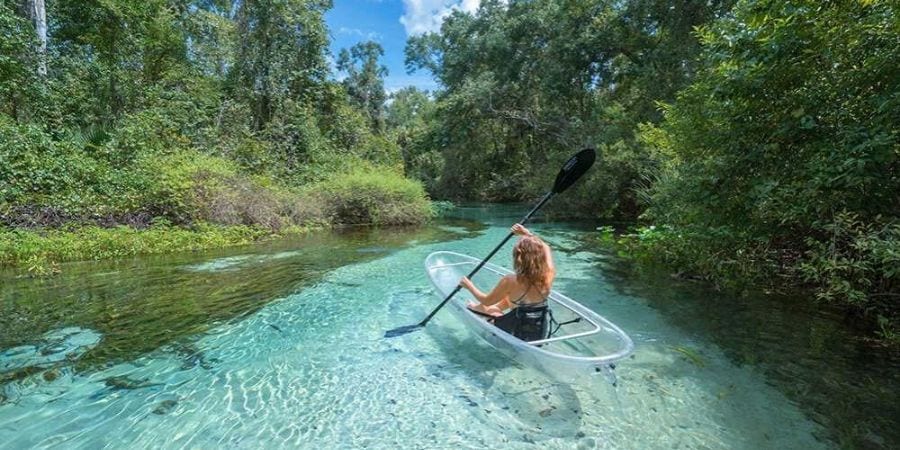
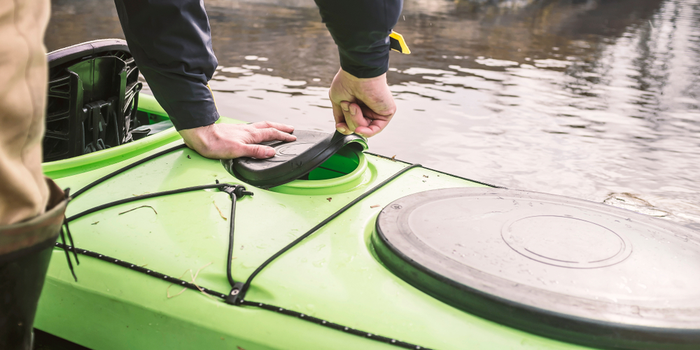
While there are models intended to give you the maximum potential speed, there are also versions designed to make you feel comfortable enough to kayak for the entire day. Depending on the priorities that you create for your ocean kayak, one kind of ocean kayak will emerge as an unmistakable winner. In contrast, the other type of ocean kayak will appear as an unquestionable loser. Therefore, it is essential to evaluate aspects such as the boat's degree of stability, the quality of its construction, the boat's form, length, and breadth, and the type of cockpit it has. You will better understand what aspects of your position are flexible and which cannot be altered in this manner. Primary and secondary stability are the cornerstones of any comprehensive kayak evaluation. Primary stability refers to the kayak's ability to remain upright while in motion. The capacity of the watercraft to stay upright when tilted to one side is measured by the secondary stability, which is different from the primary stability, which evaluates the watercraft's stability when it is at rest in calm seas. To maintain its buoyancy in the choppy waves of the open ocean, a kayak explicitly designed for ocean use has to have excellent secondary stability. You will find that most kayaks are constructed from either fiberglass, polyethylene, wood, or a mix of these materials. If you are interested in purchasing a kayak, you must decide which fabric you like. Those constructed from fiberglass are often the most expensive because of their low weight and excellent strength, while those crafted from polyethylene are typically the least expensive. Wooden kayaks generally are more challenging to come by and are frequently constructed to order, contributing to the increased cost of purchasing one. Kayaks made of composite material (a mixture of several materials laminated with epoxy) or polyethylene are the best options for the general population. The form of your kayak is the element that has the most influence on how stable it is. While round-shaped kayaks are ideal for use on calm seas, v-shaped kayaks are more suited to the choppier conditions found in the ocean. Because a circular kayak can capsize, this design is not the one that should be chosen by someone who intends to do the most of their kayaking on open water, such as the ocean. On the other hand, V-shaped variants are constructed to resist solid currents and are often easier to manage than different types. There is a good chance that an ocean kayak will be longer than other kayaks, and this is because you will want more precise gear when paddling through the waves. To get the appropriate level of speed while maintaining the desired level of maneuverability, we suggest going with the model longer than 11 feet. In terms of breadth, ocean kayaks with a measurement of more than 19 inches are typically considered to be the safest option. Because of this breadth, the possibility of you slipping into the water will be reduced, which is an exceptionally regular occurrence for novice surfers. Lakes and fishing expeditions require that the cockpits with sit-on-top designs be abandoned. The ideal cockpit layout for use in ocean waters is a place that is both snug enough to keep you from moving about too much and spacious sufficient to allow for the full range of motion. Choose a kayak with a cockpit, as this will make it easier for you to paddle through the waves and prevent water from getting into your watercraft, which might cause it to become less stable.